Ever since I read the headlines that the last American troops left Iraq on 30 September 2026, I’ve been turning the legacy of Middle East invasions and occupations over in my head.
The deaths of people I knew or whose loved ones I met. All the tensions, frustrations, dislocations, burnouts and grief that this misguided 23-year US campaign in Iraq caused. And the bitter knowledge that, with different casts of actors, foreign invaders have often caused Middle East mayhem in the past and will inevitably do so again. (I’m currently reading David Tonge’s masterly new book Imperial Predator: Britain and the Destruction of the Ottoman Empire, and the parallels are legion).
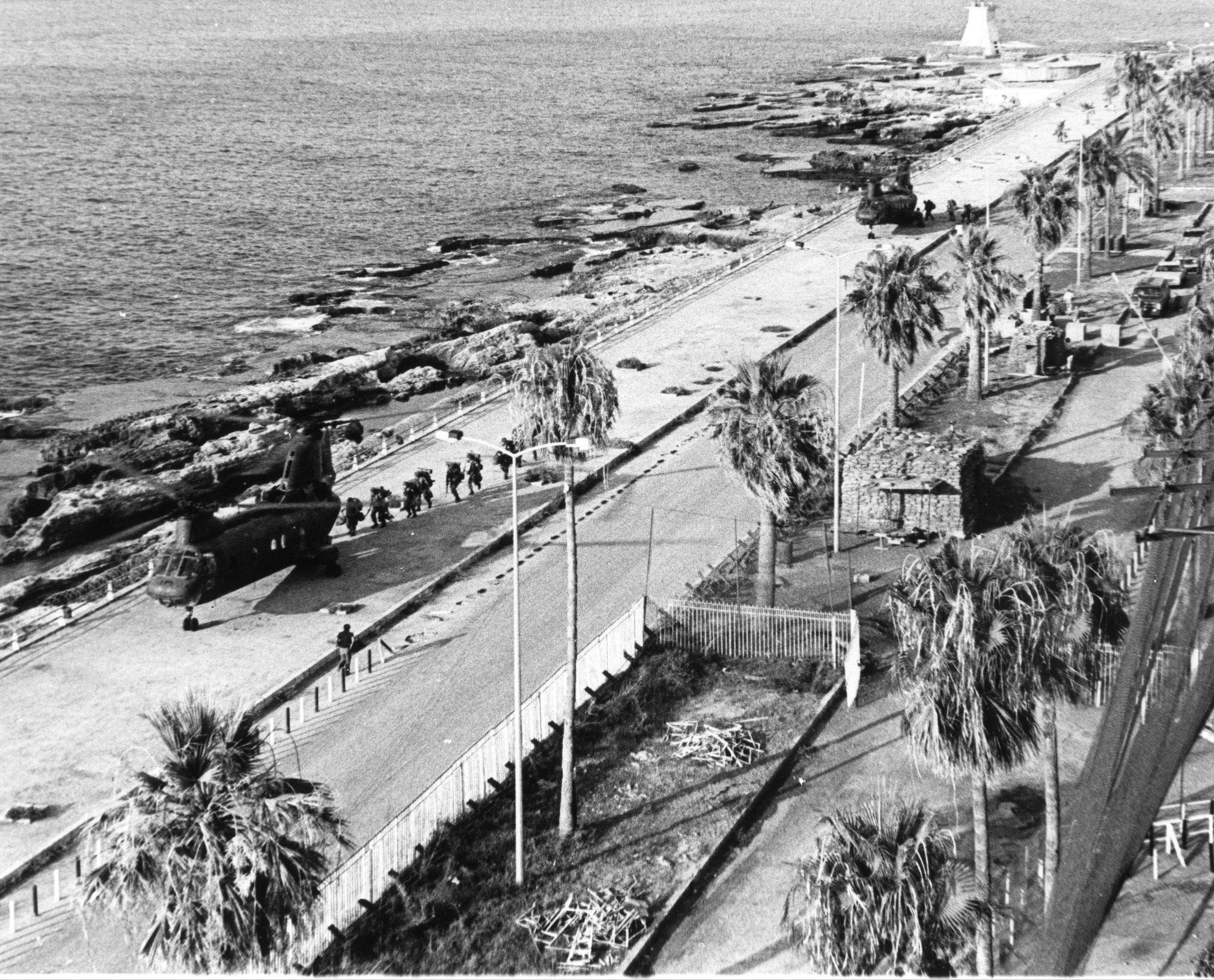
The last five of the eighteen chapters of my book Dining with al-Qaeda: Making Sense of the Middle East are my attempt to come to terms with how the US invasion and occupation of Iraq looked to a correspondent in the field.
The first, Saddamized, looks at Iraq’s dictator and how he was partly nourished by US policy. The next, Jousting with the Juggernaut, explains how even as a reporter for a big US newspaper, trying demonstrate the folly of the invasion felt like being trampled underfoot. The third, Stop Firing! This is a military situation! shares what the US-led 2003 invasion looked like to me as a (very timid) war correspondent. The fourth, The Yezidi Heresy, shines a light on one of the many forgotten building blocks that make up the real Iraq.
To mark the 30 September 2026 departure of the last US troops, I’m sharing the full text of the fifth and last of those chapters, The General and the Professor.
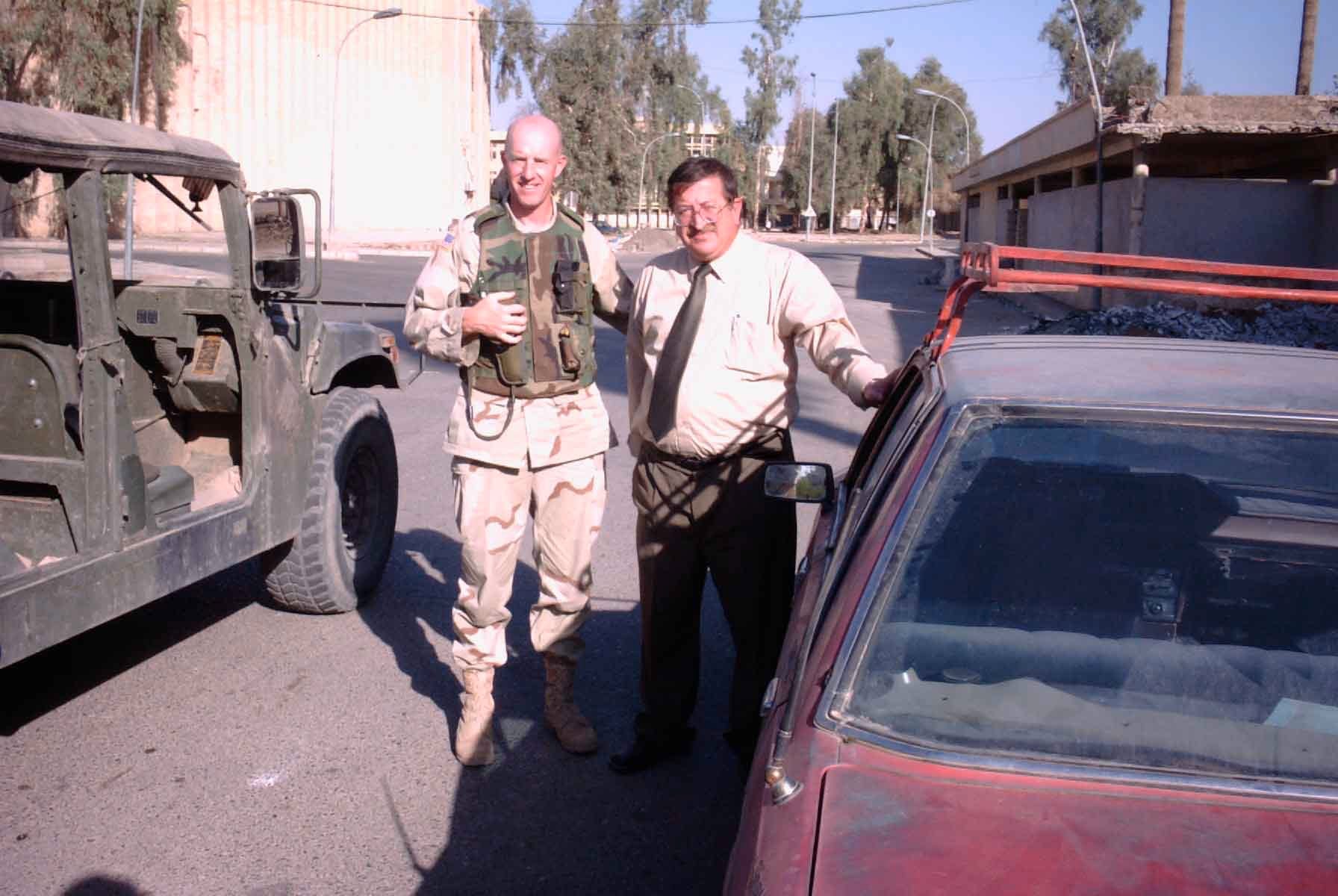
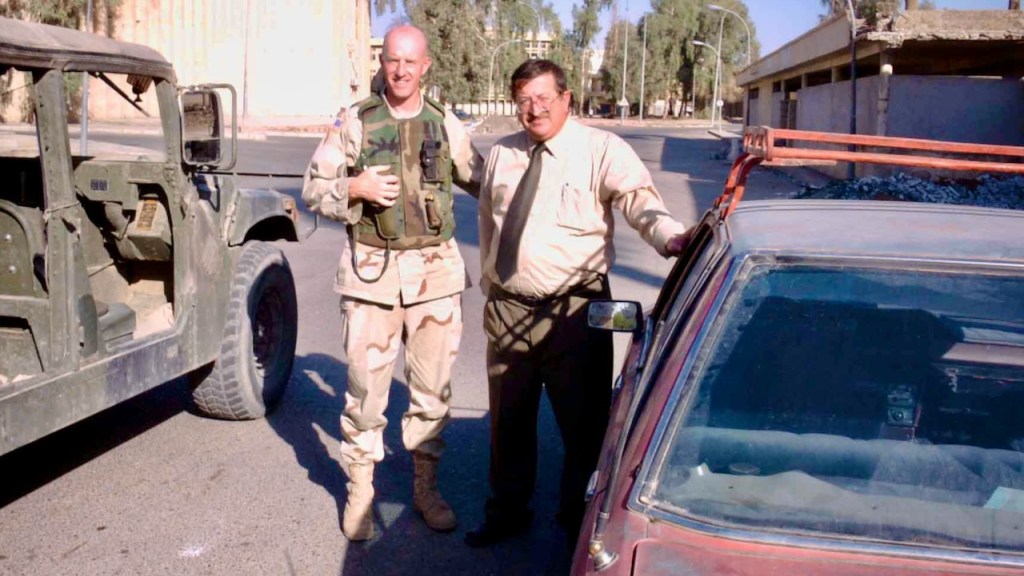
This story takes a best-case scenario from peak American power and show how the US occupation of Iraq could never work. Glamorous US General David Petraeus had almost unlimited resources to win over an Iraqi city, but he couldn’t change history. Iraqi Professor Jazeel Abd al-Jabbar al-Jomard could see that he had to work with these new occupiers, and indeed he could not resist being charmed by some of these particular Americans. But ultimately his deep scepticism proved warranted and he ended up in exile as his home town of Mosul descended into chaos. (Fortunately, I believe he’s now back in Iraq).
Professor Jomard had a deep awareness of the US occupation’s place in history but very frankly discussed his real-life need to cooperate, lamenting with some admirable understatement: “It’s very difficult to work with a foreign occupier.”
You can download the chapter here. Dining with al-Qaeda was originally published in hardback by Thomas Dunne books (St Martins Press) in the US in 2010. I made it available again in 2020 with photographs as a print-on-demand paperback here. The FT’s Simon Kuper said that “apart from making sense of the Middle East, it’s also one of the best journalistic memoirs I’ve read“. I hope you’ll find so too.
Thank you for reading this article. Subscription is free, with an option to support my work. If you’d like to show appreciation for the occasional article here, please do Buy me a coffee!


Leave a comment