Hugh Pope

Author, Reporter, Editor

  • See on Amazon.com

    Now that talks of a kind are beginning again between Iran and the West on the Iranian nuclear program, anyone wanting the back story behind Tehran’s thinking should dip into with Scott Peterson’s excellent book “Let the Swords Encircle Me: Iran – a journey behind the headlines” (Simon and Schuster, 2010). Reading it is to join the best moments of 30 trips to Iran in the company of an ace reporter – Peterson is Middle East correspondent for the Christian Science Monitor – with no need for endless visa forms, corrupting negotiations with the Ministry of Islamic Guidance, or the frustration of having to fight tooth and nail for every interview.

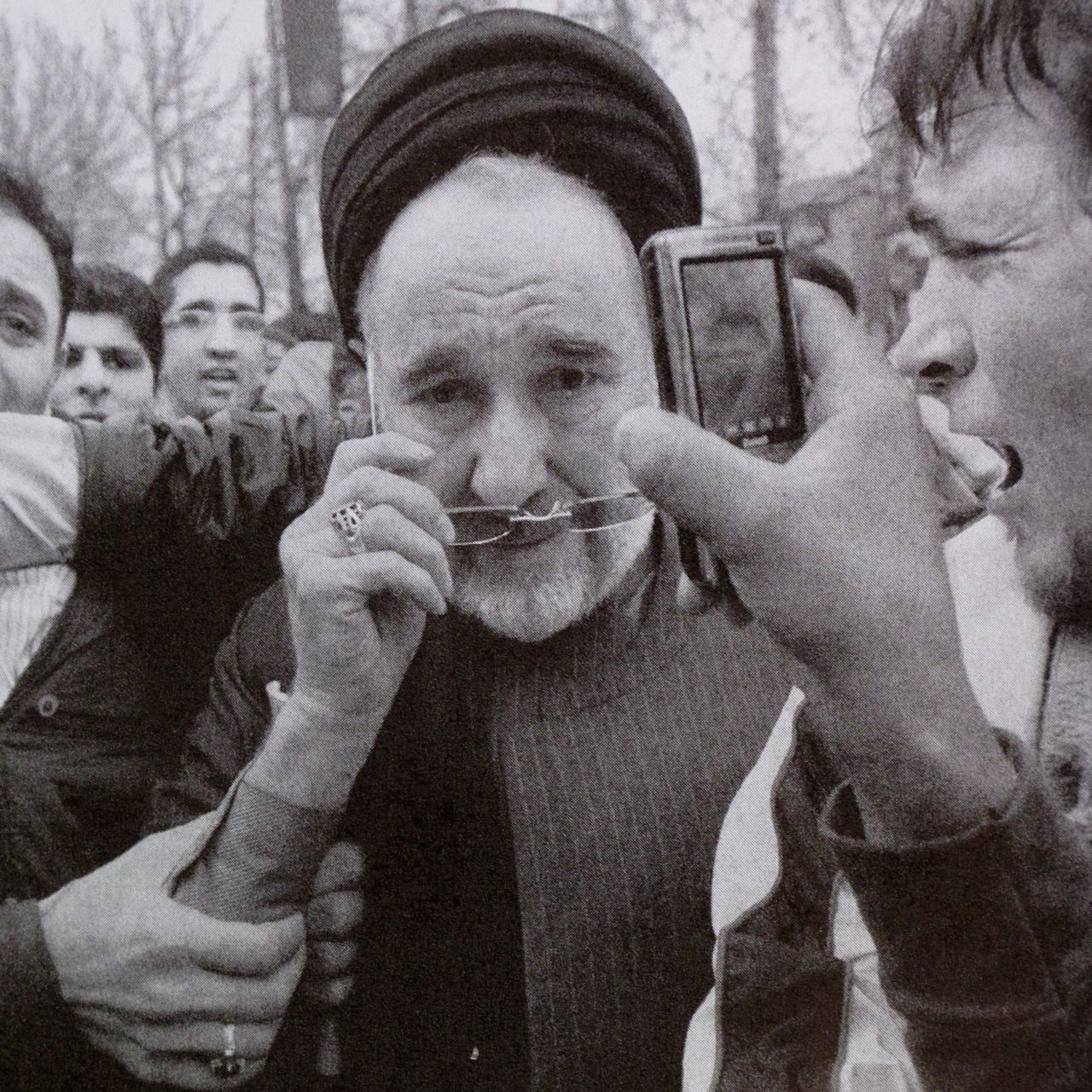
    A manhandled Muslim democrat – President Khatami (photo Scott Peterson)

    After setting the post-1979 revolutionary scene, including a great first chapter on the all-dominating U.S.-Iran relationship, Peterson’s experiences start with the false spring of liberal Iranian hopes that accompanied the late 1990s rise of President Khatami and his “democratic Islam”. False, because “an organized minority [of hardliners] have more power than a disorganized majority”, and Khatami’s downfall follows. A conservative newspaper editor points out to Peterson that his hardline faction won when it realized that the demonstrating moderates lacked the ruthlessness for a final push. As he puts it, “a loaded weapon scares one person, but an unloaded one scares two.”

    (That could just as well be a metaphor for the current nuclear talks, since Iran most likely does not have any real weapon pointed at the U.S., and is doubtless as scared as the Americans think they are themselves. Which may be why the Iranians are now signaling they might give a tiny bit of ground.)

    Believe or else – President Ahmadinejad (photo Scott Peterson)

    Some of Peterson’s most original and memorable sections detail the populist, messianic Shiite cult of the Mahdi. Its adherents notably include President Mahmoud Ahmadinejad, who apparently leaves an empty seat at his meal table just in case the Mahdi suddenly returns. As for the grim realities of Ahmadinejad’s rule outside his dining room, there are few more shocking accounts than Peterson’s of the suffocating clampdown “in the name of democracy”.  The freedom seekers of the 2009 Green Movement  were considered a grave threat in the mold of other east European “color” revolutions of that decade.  Peterson spares no detail about exactly how this ruthless regime set its thugs onto crushing middle class dreams with beatings, psychological warfare to sadistic sexual abuse.

    Along the way, Peterson has a remarkable array of Iranians speak about themselves and their country. They tell how the regime’s Islamist obsessions have made ordinary Iranians “fed up with religion”, in the words of the late Ayatollah Montazeri. Remarkably, even Iran’s grand ayatollahs voted three-to-one against the Islamist regime stalwarts who stole the 2009 elections. The new hardline cabal of Supreme Leader Khamenei, President Ahmadinejad and the Revolutionary Guard are indeed shown to be “heedless of the damage they inflict on the lives of individuals and families. They assume everyone else is as indifferent to basic human decency as they”, as jailed scholar Haleh Esfandiari tells Peterson. And one wonders how long it will be before Iran’s rulers wake up to the fact that, in the words of analyst Saeed Laylaz, “Iran cannot make up for its lack of economic might with nuclear technology, missiles and proxy threats in Lebanon and Palestine”.

    Peterson’s enthusiasm for the subject can lead to some gushing moments, especially in the introduction, with Iran presented “as a paradise for journalists, where the tree of knowledge is ripe with counter-intuitive succulence”, in which the author finds glimpses of the “fundamental seedbeds of the Islamic Republic” in his role as “a seeker of revelatory experience.” Such bouquets are doubtless partly aimed at persuading the publisher to launch all 733 pages of this volume into the crowded sea of Middle East books. It was worth it, and this feast of reportage is sober, original and meticulous. He is also all-embracing, citing not just his own reporting on the past 15 years, but notable journalism by others too. (Not to mention some of his own fine photos, including a crafty extra two hidden in the cover art).

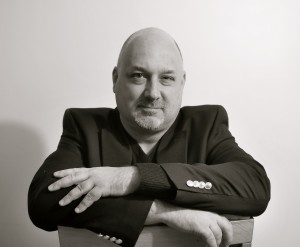
    Is that a lens in my lens? Scott Peterson self-portrait

    There are, however, no easy assessments of what it all means or illusory answers to over-simplified issues (e.g. “Is Iran building a nuclear bomb?”) that hurried policy-makers so often want. The merit of the book lies in its assiduous collection of all the paradoxes that make up Iran. And as always, the answer an outsider will get depends on how he asks the question.

    Peterson does offer plenty of insights into the U.S.-Iran relationship, in which he sees Iranians as “prideful fighters” who don’t want to be the first to give up. Anti-Americanism is the “critical glue that helped hold together Iran’s Islamic regime” and Iranians are convinced that they must never deal with the U.S. from a position of weakness, but Peterson also foresaw Iran’s empathy for the U.S. after 9/11, a rare thing in the Middle East. He sees many similarities between the two nations, including a national arrogance, a need for an enemy, and a belief in its own exceptionalism. Whether that makes them “natural allies”, as Peterson believes, seems to me debatable. The test will come if and when the U.S. decides to ditch the old blood feud, since, as Peterson quotes Ayatollah Khomeini, “on that day when the United States of America will praise us, we will mourn.”

    Such an enlightened U.S. reversal of its Iran policy is, anyway, unlikely. Peterson shows well how Israel seized upon America’s Iran fetish from the 1990s onward in order to bolster its own diminishing importance after the end of the Cold War. Indeed, one Iranian tells Peterson that Tehran, Tel Aviv and Washington are all ‘hezbollahi’ regimes, loving and needing each other as essential enemies. Peterson also wisely points out that most Iranian policies are not ideological products of the “Islamist” bogeyman that the U.S. and Israel love to fear, but aim at regime survival.

    Iran thinks it has the right to dominate its region, an Iranian newspaperman tells Peterson, but if that is the case, Tehran perhaps needs to consider earning that right first. In a new version of the tale of the hare and the tortoise, the oil-fueled Iranian economy was double the size of neighboring Turkey at the time of the Islamic Revolution, but has long been overtaken and is now half the size of its more plodding rival. Seizing the U.S. Embassy in 1979 was hardly an “achievement” or worthwhile “second revolution”, as Iran portrays it, and is now quite long ago. As the humanity of Iranians bursts through every page of Peterson’s book – from regretful basijis to north Tehran heavy metal bands – the reader keeps wanting to say: come on, Iran. It’s time to move on.

  • See on Amazon.com

    “How’s the book doing?” All authors gnaw at this question before answering, no matter if our book sold 100,000 copies (but the last one sold a million), if 2,730 lovingly produced volumes of our self-published work still lie wrapped in brown paper in the garage, or if the book, in everyone but the author’s eyes, is doing perfectly fine.

    Not many writers can give the straight answer that the questioner usually expects (“Oh, it sold 10,802 copies in the first 14 months,” for instance), for the simple reason that nobody seems to know this figure. Only by accident, for instance, did I or (apparently) the publisher learn that the 4th updated edition of my co-authored Turkey Unveiled actually sold out in a couple of months after publication in December 2011. A reprint was quickly ordered up. Yet, now that Dining with al-Qaeda is two years old, I would like to know how many copies have been sold. Where to start, though?

    Who wants to believe the amazon.com weekly sales tracker at “author central”, informing you occasionally that you sold no copies of any book whatsoever in the past week? (However you do, of course, allow yourself a pat on the back when it says that last week a dozen of copies of one of them suddenly sold in one town – this week’s thank yous to Houston TX, Boston MA and Washington DC!).

    The perplexing vagueness continues with publishers’ weird accounting. After Dining with al-Qaeda came out in March 2010, I was astonished by the several thousand copies reported sold in the first half-year statement from Thomas Dunne/St Martins Press. Tearing open the full year’s statement with premature glee, I then discovered that the number had fallen by more than one third. Bookshops had apparently sent back what they couldn’t sell, leaving a good total in readers’ hands, but still, well, less than before. From previous books I know that actual royalties roll in much later, taking years to pay off any advance. Even then the math never seems to add up – and, as an agent once told me, publishers make money long before authors pay off their advances.

    So, I admit it, I’m not one of those lucky few authors who actually make a cash profit from writing books. That gives me a weakness for what my old Crisis Group boss Gareth Evans disparaged as time-wasting “psychic income”.

    My first installment of this virtual revenue came from launch tour events in New York and Washington DC and elsewhere, that happy period when for a historical moment Dining with al-Qaeda was #1 in amazon.com’s ‘Middle East books’. More gratification came from reviews in the media. And even if they didn’t write about it, many former reporting colleagues seem to have actually read the book and enjoyed it.

    Secondly, I’m proud to say that readers on amazon.com give it an average 4-1/2 stars in the US and 5 stars in the UK. Please indulge me by sharing some of their views:

    “A superb book” (Arabourne); “the author’s transparency of thought [shows an] ability to get into the Arab mind, in all its complexity” (David Schlosberg); “a valuable journey … first-rate understanding of the interplay of history, politics and culture” (BlueRidgeVa); “As an American woman who has lived for 15+ years in the region, I consider this book to be a must-read for Westerns who have never traveled to the ME” (L. Campbell); “I was caught up in the moment” (S. McGee); “The smells, dust, noise of the Turkish, Arab or Iranian streets burst from the book’s pages” (F. Brauer). Some see flaws, too, and if you insist on reading those, all can be found here.

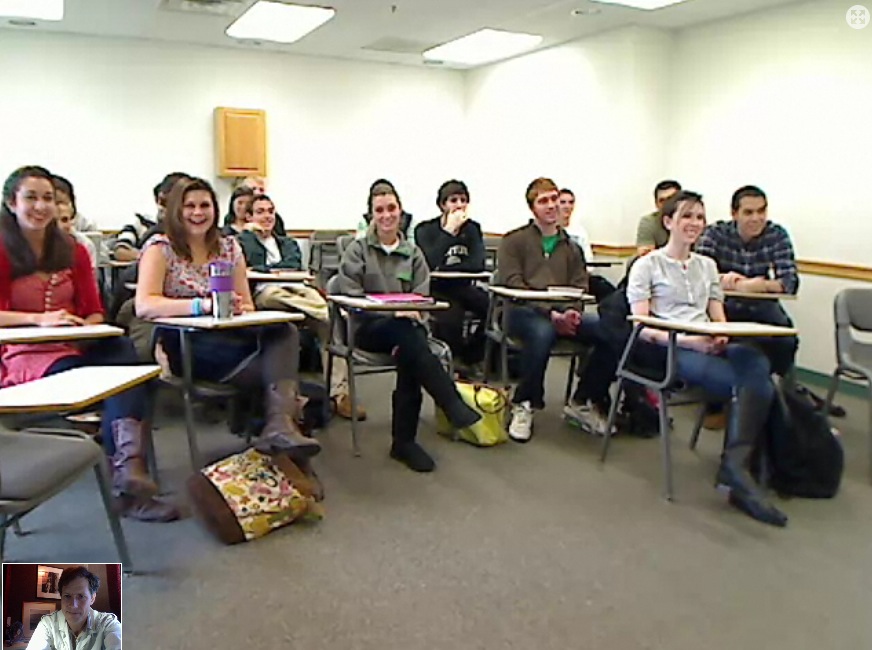
    I’m offered even better psychic income from invitations to discuss Dining with al-Qaeda with readers. The book never had academic pretensions, but one of my hopes while writing it was that new students of the Middle East would find it a fast track to understanding the context of their dry historical studies. So I was delighted to learn that Bucknell University in Pennsylvania made the book required reading for students of the International Relations of the Middle East. I then had great fun talking to the class via Skype under the watchful eye of their guide, award-winning academic Juliette Tolay, answering questions about what it felt like to see, hear and taste the Middle East – and why nothing changes as quickly as Westerners often hope.

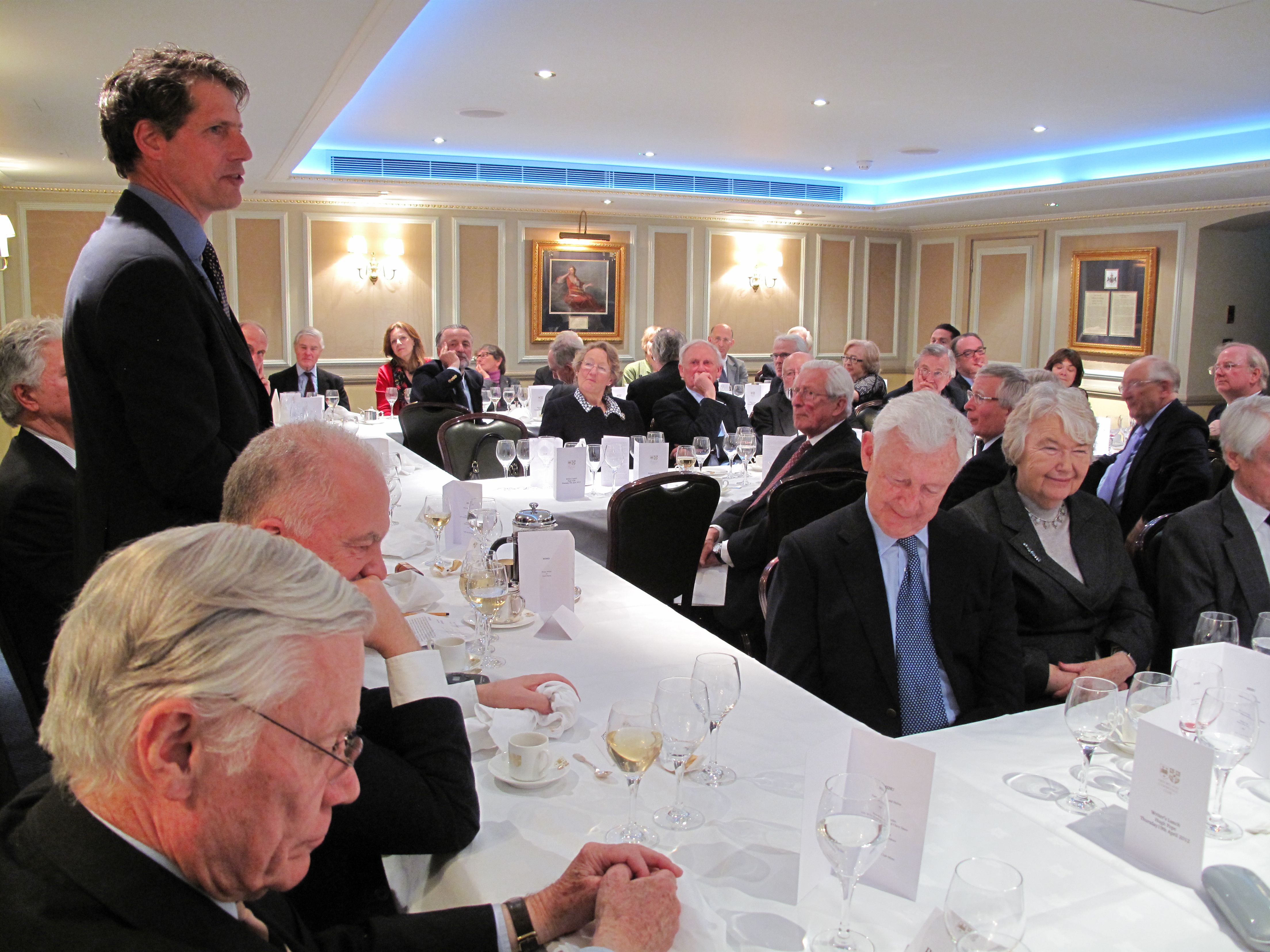
    I enjoy the steady demand for more traditional talks on the themes of Dining with al-Qaeda.  Book clubs sometimes ask me along (my favorite audience), for instance a heady dinner in Brussels with several of the finest minds of the new European External Action Service. Most recently I spoke to four score grandees at the monthly Writers’ Lunch of the Oxford & Cambridge Club in London.

    This occasional blog, of course, is another way for me to keep enjoying the book. At this two-year mark, about 26,000 people have visited.

    Intriguingly, amazon.com’s tracker shows that book shipments plummeted for several weeks after January 2011, as stories of the Egyptian revolution predominated and the killing of Osama bin Laden in May made Americans think that the al-Qaeda chapter of their recent history had closed. Nevertheless, this year the book is coming out in French, probably as Rendez-vous avec al-Qaeda (Presses de l’Universite Laval, Quebec), translated by Benoit Léger. I’ve posted a translated excerpt about Syria (in French here, the original English here).

    So French readers will soon also, I hope, discover the broader perspective that 30 years of traveling and reporting gives to, for example, the past year of Arab revolts and uprisings. Is it really an Arab spring, or merely the latest twist of familiar pieces in the Middle Eastern kaleidoscope? Allez-y! Découvrez par vous-même!

  • Benoit Léger

    Benoit Léger, qui traduit Rendez-vous avec al-Qaeda (Dining with al-Qaeda) en français, m’a envoyé cet extrait de son travail en cours. Benoit a déjà traduit de manière spectaculaire mon livre Fils de conquérants : Le monde türk et son essor qui a apparu l’an dernier (cliquez ici pour le voir sur amazon.fr, ou ici pour la maison d’edition, Presses de l’Universite Laval).


    Chapitre 13.

    Républiques royales et monarques démocrates

    extrait traduit par Benoit Léger (en cours, avril 2012)

    Je retournai en Syrie un an plus tard, en 2001, dans l’espoir de donner aux lecteurs du Journal des nouvelles du printemps de Damas. Le docteur Bachar avait fait fermer une tristement célèbre prison du désert et libéré six cents prisonniers politiques; il avait aussi autorisé l’ouverture d’une première école privée. Le parlement avait voté de nouvelles lois qui légalisaient les banques privées et protégeaient le secret bancaire. Des mesures étaient prises pour libéraliser les règlements douaniers et celles portant sur les devises étrangères qui étouffaient le commerce depuis si longtemps. Les antennes paraboliques envahissaient également le paysage urbain de Damas.

    L’un des symboles de cette période était un hebdomadaire rempli de caricatures du nom de Al-Doumari (« L’Allumeur de réverbères »). À son apparition en 2001, il se vendait en une heure à plus d’exemplaires que les trois indigestes journaux d’État réunis. Les Syriens n’avaient rien vu de tel depuis l’interdiction de la presse privée, trente-huit ans auparavant.

    Je m’adressai à un vendeur de journaux en regardant prudemment derrière moi :

    — Vous n’avez pas peur de vendre ça?

    — Les gens n’ont plus peur. Nous voulons entendre des critiques et avoir finalement quelque chose de bien. J’en ai commandé cent exemplaires cette semaine, mais j’en ai demandé cinq cents pour la semaine prochaine.

    Même si, dans les pages de ce pittoresque magazine, la satire n’était pas des plus féroces et s’en prenait essentiellement à la corruption la plus évidente, l’idée même d’une publication échappant complètement à l’autorité de l’État était inconcevable. Je trouvai les bureaux d’Al-Doumari dans un quartier riche habité par la classe moyenne. Ali Farzat était à la fois le propriétaire, l’éditeur et le rédacteur en chef. Vêtu d’un jean soigneusement repassé, il arborait une épaisse barbe et affectionnait les gros cigares cubains. Farzat affirma que c’était Bachar Al-Assad lui-même qui l’avait encouragé à créer son hebdomadaire sept ans auparavant, mais, même si Bachar était alors le fils du président et était désormais chef d’État depuis un an, les lois concernant la presse n’avaient changé que tout récemment.

    — Quand le premier numéro est sorti, j’ai appelé le docteur Bachar, raconta-t-il. Il était très heureux de la nouvelle; il aime ce genre de choses.

    — Mais le gouvernement tient encore le pays par la peur! insistai-je.

    Farzat s’enfonça dans son fauteuil et mit les bras au-dessus de sa tête comme pour se protéger des coups qu’on pourrait lui donner, puis il éclata de rire.

    — Nous vivons dans une nouvelle ère. Bachar aime les initiatives, il les respecte. Il aime les arts et les sciences. C’est un homme jeune. Il a un plan en tête et il le met en place, étape par étape. Les réformes finissent par s’imposer d’elles-mêmes, c’est comme avoir besoin de respirer.

    Trois mois après que Bachar eut pris le pouvoir en juin 2000, quatre-vingt-dix-neuf personnalités influentes lui avaient écrit pour demander plus de libertés publiques. En janvier 2001, ce furent mille politiciens et réformateurs qui allèrent encore plus loin en exigeant que l’état d’urgence en place depuis quarante ans soit levé. Pendant cette période, affirmaient-ils, « la société a été profanée, ses richesses ont été pillées et son destin, mis entre les mains de tyrans et de gens corrompus ». Il semblait que quelque chose était bel et bien en train de se passer en Syrie, mais plus je creusais, plus je découvrais que les choses n’avaient guère changé.

    Le régime avait étouffé dans l’œuf le mouvement des forums formés d’intellectuels de tendance gauchisante. Le docteur Bachar, qui avait donné le feu vert à la tenue de ces forums de dialogue national, les avait soudainement dénoncés comme étant des « exercices intellectuels stériles » en expliquant à un quotidien arabe qu’il fallait que les Syriens « évitent de donner l’occasion à ceux qui cherchent à devenir des leaders d’exploiter ces forums » et que « la stabilité et l’efficacité sont plus importantes pour le développement du pays que la vitesse ». Une dame de la bonne société avait été prise à faire circuler un courriel représentant le chef de l’État dans une union inconvenante avec le président libanais et avait été incarcérée.

    Dans le premier numéro de l’Allumeur de réverbères, Farzat avait évoqué la possibilité d’un remaniement ministériel, ce qui, en Syrie, constitue une manière détournée de se débarrasser d’anciens ministres corrompus. En privé, il me confia que ces gens-là « profitent de la peur, comme des pillards après un tremblement de terre. » Pourtant, la une du numéro suivant avait fait preuve de plus de réserve en publiant un article sur l’éducation mixte dans une lointaine province située au bord de l’Euphrate. « Est-ce que cela constitue de l’autocensure? » demandai-je.

    Devant nous, le dernier numéro montrait le dessin d’un homme qui marche dans la rue en regardant nerveusement derrière lui et qui se rend compte avec inquiétude que l’agent des services secrets armé qui le suit n’est que sa propre ombre.

    — Nos articles n’ont jamais été interdits, mais il y a des règles à respecter. Nous ne pouvons pas nous en prendre à l’armée, ni nous lancer dans attaques personnelles. Comme partout, il y a des limites à ne pas franchir. Les secrets d’État, par exemple.

    À ce moment-là, un Libanais en uniforme arborant une épaisse barbe noire passa la tête dans la porte. Je remarquai qu’il portait un pistolet à la ceinture. Il embrassa Farzat sur les deux joues; les deux hommes causèrent comme de vieux amis, puis il s’avéra que le Libanais cherchait en fait quelqu’un dans le bureau voisin.

    — Qui était-ce?

    — Aucune idée! fit Farzat en riant. Mais c’est exactement ce que notre magazine signifie. Nous représentons la rue, la rue syrienne. Nous nous en prenons à des aspects des traditions de notre société, par exemple quand un invité s’installe et reste trois jours et qu’on ne demande pas d’explication et qu’on ne sait pas pourquoi. On ne peut pas vivre de cette manière en permanence. C’est dans notre propre société que se trouve la cause de notre oppression, pas dans le gouvernement.

    C’était pourtant de l’oppression du téléphone que Farzat souffrait (à l’instar de nombreux bureaux syriens, le sien n’avait pas de secrétaire), tout comme son frère qui venait de l’appeler de l’imprimerie appartenant à l’État. Tout avait été payé d’avance, mais les ouvriers avaient stoppé les presses. Farzat négocia, tenta de les amadouer en promettant un gros pourboire et les presses redémarrèrent.

    Il y eut un autre visiteur : un jeune collaborateur de l’hebdomadaire qui avait fait des heures d’autocar pour venir toucher son salaire de quinze dollars. L’homme accepta de me parler, mais dans la rue et tout en marchant. Nous parcourûmes donc le quartier qui embaumait le jasmin et dont les fières demeures aux angles arrondis remontaient aux toutes premières années, après que le pays eut obtenu son indépendance de la France, en 1944.

    — Notre pays est en train de s’éveiller en matière de culture, mais nous avons encore peur, m’expliqua-t-il en s’assurant qu’il n’était pas suivi par un policier. Pour les intellectuels, l’Allumeur de réverbères est aussi léger qu’une bulle de savon. C’est un symbole qui montre que le gouvernement parle beaucoup, mais ne fait rien.

    Les censeurs du Ministère de l’Information ne semblaient pourtant pas des plus menaçants. Leurs bureaux se trouvaient au haut d’un immeuble vieillissant connu sous le nom de « Palais du Baas ». La façade était en travaux depuis des années et, à l’intérieur, les rénovations progressaient de manière irrégulière. Les fils nus pendaient dans les couloirs et le faux plafond avait perdu certains de ses panneaux. Sur les armoires, les piles de dossiers poussiéreux étaient maintenues ensemble par de la ficelle. Les bureaux des censeurs étaient recouverts de montagnes de journaux et de magazines. « Du thé? » fit l’un d’eux.

    Ils avaient tous étudié dans une région ou l’autre de l’ancien bloc soviétique et se réjouissaient d’avoir l’occasion de bavarder et de partager leur conviction quant au complot américano-israélo-sioniste qui empêchait la Syrie d’avancer. Deux des censeurs venaient de familles qui avaient perdu leur maison dans la Guerre des Six Jours, lorsqu’Israël s’était emparé du plateau du Golan, soit une importante portion du pays que l’État hébreu occupait encore, au sud-ouest de Damas. L’un d’eux avait participé à la plus récente manifestation devant l’ambassade des États-Unis.

    — Le seul problème, c’est que n’avons pas trouvé de pierres à lancer, fit-il avant d’ajouter pourtant : J’espère que L’allumeur de réverbères va prendre des forces et devenir quelque chose d’important, mais pour l’instant il a l’air un peu démuni.

    Les censeurs n’étaient pas sans savoir que le magazine, tout comme les entreprises syriennes, ne jouissait d’aucun droit. Farzat n’avait que gagné une faveur individuelle et provisoire auprès du chef de l’État. Tout le monde semblait connaître sa place dans le pays. Les rares partis politiques autorisés, pris dans un « front » contre le Baas depuis des décennies, avaient été autorisés à publier leurs propres journaux, mais leurs combats semblaient n’avoir pas changé depuis qu’ils avaient été tous fermés en 1963. Dans le nouvel organe du parti communiste, l’éditorial se résumait à un exposé à valeur didactique portant sur la lutte des classes et qui s’étalait sous le slogan simpliste de « Travailleurs du monde entier, unissez-vous ». La renaissance du journal The Unionist, relique de l’éphémère union de la Syrie avec l’Égypte dans les années 1960, était encore plus incroyable : il faisait sa une d’une photographie de Gamal Abdel Nasser, le légendaire président égyptien mort depuis 1970.

    Il était donc normal que les censeurs s’en soucient peu. Les vrais opposants, eux, s’en tiraient beaucoup moins bien. C’était le cas de Riad Seif, le politicien syrien le plus critique envers le régime. En ce printemps de 2001, nous pûmes encore nous voir dans son bureau moderne. Les yeux de ce franc-tireur brillaient; il avait tout récemment tenté de briser le monopole que la famille Assad exerçait sur le très lucratif secteur de la téléphonie cellulaire.

    — C’est dangereux! Ils m’ont mis en faillite, raconta-t-il.

    — Qui ça, « ils »?

    — Les baasistes! Il n’y a pas de concurrence, pas de vitalité; ils n’ont pas d’idéologie avec laquelle se défendre. Dans les années 1950, les membres du Baas étaient tous des idéalistes, maintenant ce ne sont que des opportunistes. Leur cerveau s’est encroûté au point qu’ils croient leurs propres mensonges.

    — Comme quoi?

    — La sécheresse dure depuis deux ans; les fermiers n’arrivent pas à rembourser leurs prêts, il n’y a pas de travail dans les provinces et le chômage est un problème très grave. Contre tout cela, l’Allumeur de réverbères ne vaut pas mieux qu’une aspirine. Il n’y a toujours pas de base politique en mesure de s’attaquer aux véritables causes de la corruption; il n’y a pas d’organisations populaires, pas de véritables syndicats, pas de partis d’opposition. La séparation des pouvoirs n’existe pas, ni la liberté de presse.

    — Qu’est-ce qu’ils vous ont fait pour avoir parlé ainsi?

    — Ils nous mettent le couteau sous la gorge et le laissent là. Les gens qui me soutiennent sont très discrets; personne ne veut courir de risques. Certains de mes amis ne m’appellent même plus. Je suis devenu isolé, mais ça ne veut pas dire que je n’ai pas de soutien. Les intellectuels sont bien décidés à continuer. Ces quelques mois où nous avons joui de certaines libertés, où nous avons pu nous exprimer en nous débarrassant de certains tabous, nous avons vraiment aimé cela. C’est difficile de réapprendre à être discret. Nous ne sommes plus en 1980 : il y a Internet, la télévision satellite. Les Syriens ne font que semblant d’être des moutons.

    Sauf que Seif se trompait en prédisant que les Syriens allaient sérieusement se révolter. Ils avaient peut-être raison d’être prudents, compte tenu des quatre décennies où le pays n’a pas connu de véritable vie politique. L’exemple de l’Irak allait plus tard montrer les périls qui attendent un pays lorsqu’une dictature est renversée, mais que la population n’a aucune idée de la manière de profiter de sa liberté. De toute façon, le régime syrien n’avait manifestement pas l’intention de procéder à des changements autres que cosmétiques. Après avoir discuté de ma semaine passée dans le pays, Bill Spindle et moi-même en arrivâmes à la conclusion que rien n’avait assez sérieusement changé en Syrie pour justifier un article dans le Wall Street Journal.

    ***

    En 2002, deux ans après la prise du pouvoir par Bachar, Damas avait meilleure allure : les magasins semblaient mieux approvisionnés en produits importés, les restaurants étaient mieux éclairés, les gens étaient mieux informés et même les vieilles colonnes et les rues du souk Al-Hamidiyeh, le plus important de ville, faisaient l’objet de délicates restaurations. Les autorités répétaient que, si tout le monde faisait preuve de patience, les choses allaient vraiment changer. En janvier de la même année, dans son discours sur l’état de l’union, le président Bush avait classé la Syrie parmi les pays de « l’axe du mal »; j’étais convaincu qu’il avait tort. Je retournai voir Ali Farzat dans ses bureaux pour voir comment la lente lutte de son magazine pouvait symboliser un possible réveil du pays.

    Je m’assis en compagnie de Farzat qui agita une feuille de papier : le gouvernement avait décidé que l’Allumeur de réverbères ne pouvait plus vendre que 14 420 exemplaires, et il lui fallait désormais passer par le réseau de distribution de l’État. Il s’emporta :

    — Je dois vendre trente-cinq milles exemplaires pour rentrer dans mes frais! Il devrait y avoir des règles pour nous permettre de fonctionner comme une maison d’édition privée. Ils nous envoient ça sans prévenir, sans discuter. Ils se contentent de dire que la distribution doit passer par eux et ils exigent quarante pour cent des profits. Comme si le secteur privé travaillait pour l’État! Et en plus ils forcent toute la publicité à passer par l’Organisation de la publicité arabe qui appartient au gouvernement et qui prend vingt-sept pour cent des bénéfices! Ces gens-là ne font absolument rien et le gouvernement ne m’achète pas de publicité non plus.

    — Vous ne pouvez pas vous plaindre? Vous adresser au docteur Bachar?

    — Même le ministre de l’Information refuse de me parler au téléphone.

    — Je connais ce genre de problème…

    — Je ne sais plus quoi vous dire. Ce que nous publions a une influence sur les gens et nous visons les responsables, alors les gens qui craignent d’y perdre trouvent des moyens de lutter contre la nouveauté. Nous devons trouver de nouveaux moyens de faire avancer notre culture. Ce journal n’est pas que notre réussite, c’est celle du pays; c’est un symbole de développement. Il n’aurait pas dû s’arrêter si tôt…

    Je poursuivis ma tournée, hésitant que j’étais à renoncer. J’appris ailleurs que, six mois plus tôt, Riad Seif, le courageux politicien de l’opposition, avait organisé une rencontre réunissant quelques centaines de militants prodémocratie. Il avait été ensuite jeté en prison et allait y rester plus de quatre ans. Un diplomate américain expliqua que le régime n’était plus mené par « l’homme fort », mais plutôt par le « grand mensonge » : de l’extérieur, le pays semblait l’endroit le plus stable de la planète, mais à l’intérieur, le régime se débattait chaque jour pour se maintenir.

    Bien sûr, à l’instar de toutes les dictatures du Proche-Orient qui carburent à l’or noir, la Syrie ne changeait pas vraiment, entre autres parce que le pétrole représentait soixante-dix pour cent de ses revenus d’exportation. Il en allait de même en Iran : tant que le régime aura les moyens d’acheter le soutien de sa base politique, il pourra se maintenir en place. Les chefs d’État toléraient la corruption, car, en l’absence de toute légitimité populaire, ils pouvaient se fier à la loyauté des ministres corrompus. Tout comme en Union soviétique, qui fonctionnait grâce à une économie de ressources semblable, la dissidence était tolérée tant qu’elle ne représentait pas une menace directe. Inversement, un pays tel que la Turquie qui dispose de peu de ressources naturelles, n’a d’autre choix que d’être plus pluraliste, plus ouvert et plus démocratique puisqu’il lui faut chaque semaine emprunter sur les marchés national et international.

    Je rendis visite à Haïtham Maleh, un vieil avocat qui, de son appartement remontant à l’époque coloniale dans le centre de Damas, s’obstinait à demander des comptes au régime. L’une des caractéristiques de la dictature syrienne était le fait que peu de jeunes songeaient même à lutter pour les droits de la personne. Sans plate-forme à l’échelle nationale, Maleh menait son combat en rencontrant des diplomates ainsi que les correspondants venus des pays arabes ou d’ailleurs. Il faisait parvenir à Bachar des missives soulignant les contradictions entre ce qu’affirmait la constitution et l’application des lois d’urgence. Il me montra la copie d’une ordonnance secrète selon laquelle les fonctionnaires n’étaient redevables que si leurs supérieurs l’autorisaient. Maleh était assis sous la tapisserie élaborée qu’il avait tissée en prison. L’idée que les États-Unis pourraient un jour réellement aider quelqu’un comme lui à faire avancer la démocratie en Syrie (ou ailleurs au Proche-Orient) le fit rire :

    — Tous nos dictateurs sont des produits des États-Unis. C’est parce que les Américains ont intérêt à n’avoir qu’un seul interlocuteur pour régler leurs affaires. Dans notre cas, ils nous ont fabriqué un puissant dictateur fasciste, alors qu’est-ce qu’on peut faire?

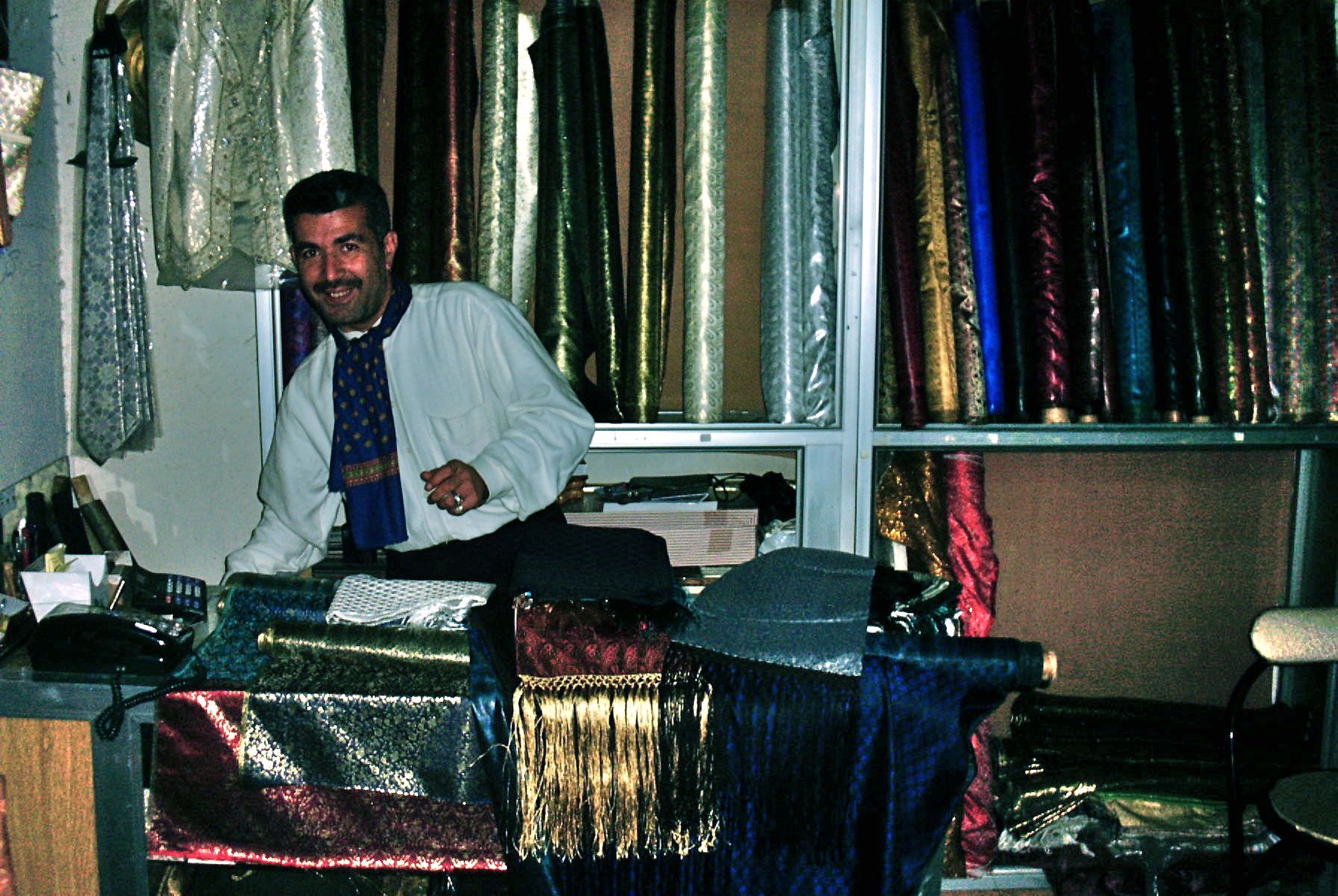
    Effectivement, au cours des mois qui avaient suivi le 11 septembre, la rhétorique américaine à l’égard de la Syrie était redevenue menaçante. Je passai devant une boutique qui proposait le damas si élégamment tissé; j’y allais souvent à l’époque où j’étais étudiant et c’est là que j’avais acheté la soie turquoise et scintillante dont ma femme avait fait sa robe de mariée. Je me souvins des balles et des rouleaux de tissus qui s’empilaient dans les années 1980 et formaient de véritables cascades d’or, d’argent et de vermeil, mais il n’en restait plus que quelques pièces. Le propriétaire, un Kurde, se plaignit que son commerce était moribond puisque les agences de voyage réduisaient au minium leurs arrêts dans ce pays réputé difficile et corrompu et que les touristes n’avaient plus le temps de faire les boutiques.

    Sept ans plus tard, en 2009, l’importun Riad Seif ne serait toujours pas autorisé à sortir du pays pour faire traiter son cancer de la prostate. En fait, il avait été renvoyé en prison. L’état d’urgence décrété en 1963 était toujours en vigueur et des centaines de prisonniers politiques croupissaient en prison, dont plusieurs de ceux qui s’étaient fait connaître au cours du printemps mort-né de Damas. L’Allumeur de réverbères avait lutté pour sa survie pendant trois ans avant de finalement disparaître en 2003; l’histoire aurait pu donner lieu à un papier dans un autre quotidien que le Wall Street Journal qui ne croyait pas que les Américains souhaitaient entendre parler d’un autre échec. Les rédacteurs en chef préféraient les histoires optimistes. Après avoir fait le tour en ma compagnie d’une autre semaine perdue à faire des entrevues, Bill Spindle trancha : « On laisse tomber la Syrie, Hugh. Ça ne marchera pas. Ce n’est pas ta faute, mais le pays n’a pas changé alors il n’y a pas d’article à écrire. »

    ***

    En février 2003, trois ans après le grand changement qui n’avait jamais été, je traversai une fois de plus la Syrie sur le chemin de l’Irak. Il me fallait me présenter au bureau de contrôle des frontières des moukhabat, les services secrets de « l’Intelligence » syrienne, oxymore qui fait les délices des mauvaises langues dans l’ensemble du Proche-Orient. Mon chauffeur me déposa au bout d’une longue file de barricades qui menait à un complexe entouré protégé par de hautes murailles de béton. Il était impossible de savoir quels services secrets syriens, de tous ceux dont le pays dispose, étaient logés à cet endroit. À la guérite, j’expliquai ma mission à un agent en civil, kalachnikov à l’épaule. À l’époque où j’étais étudiant à Damas, on voyait de tels gardiens devant les demeures des membres de l’élite et, le soir, une arme se pointait parfois vers moi avec méfiance quand je passais trop près.

    — Vous connaissez le chemin? demanda le gardien.

    Il aspira une autre gorgée de maté grâce à la paille de cuivre. Cette boisson est devenue particulièrement populaire auprès de minorités telles que les Druzes et les Alaouites depuis que certains de leurs membres ont immigré en Amérique du Sud pour fuir la pauvreté et les persécutions de la part de la majorité sunnite. Boire du maté est désormais un signe d’émancipation.

    — Bien sûr que non, rétorquai-je.

    Il m’indiqua le chemin d’un ton péremptoire et me lâcha dans le complexe des services de sécurité. Je cherchai mon chemin dans les rues envahies par la verdure de ce qui, à l’époque coloniale française, avait dû être un charmant alignement de villas. Elles étaient désormais plus ou moins laissées à l’abandon et la végétation était en voie de reprendre ses droits. La maison banale que l’on m’avait indiquée n’avait qu’un étage et semblait dans le même état de délabrement. À l’avant, l’eau s’écoulait du bassin d’une fontaine à la céramique verte et sale. Les ailes de la villa semblaient sur le point de s’écrouler et les carreaux de plusieurs fenêtres étaient brisés, mais, en arrivant dans la cour, je vis les signes d’une restauration en cours. Trois camions militaires russes se trouvaient là, ainsi qu’une camionnette dont un essieu était cassé. J’eus l’impression d’arriver chez le commandant d’une unité rebelle qui venait tout juste de s’emparer d’un poste avancé au fin fond d’un pays du tiers monde et non d’une branche de l’exécutif d’un gouvernement en état de marche. L’idée qu’un pays aussi délabré puisse préoccuper les stratèges américains me parut tout à coup complètement absurde.

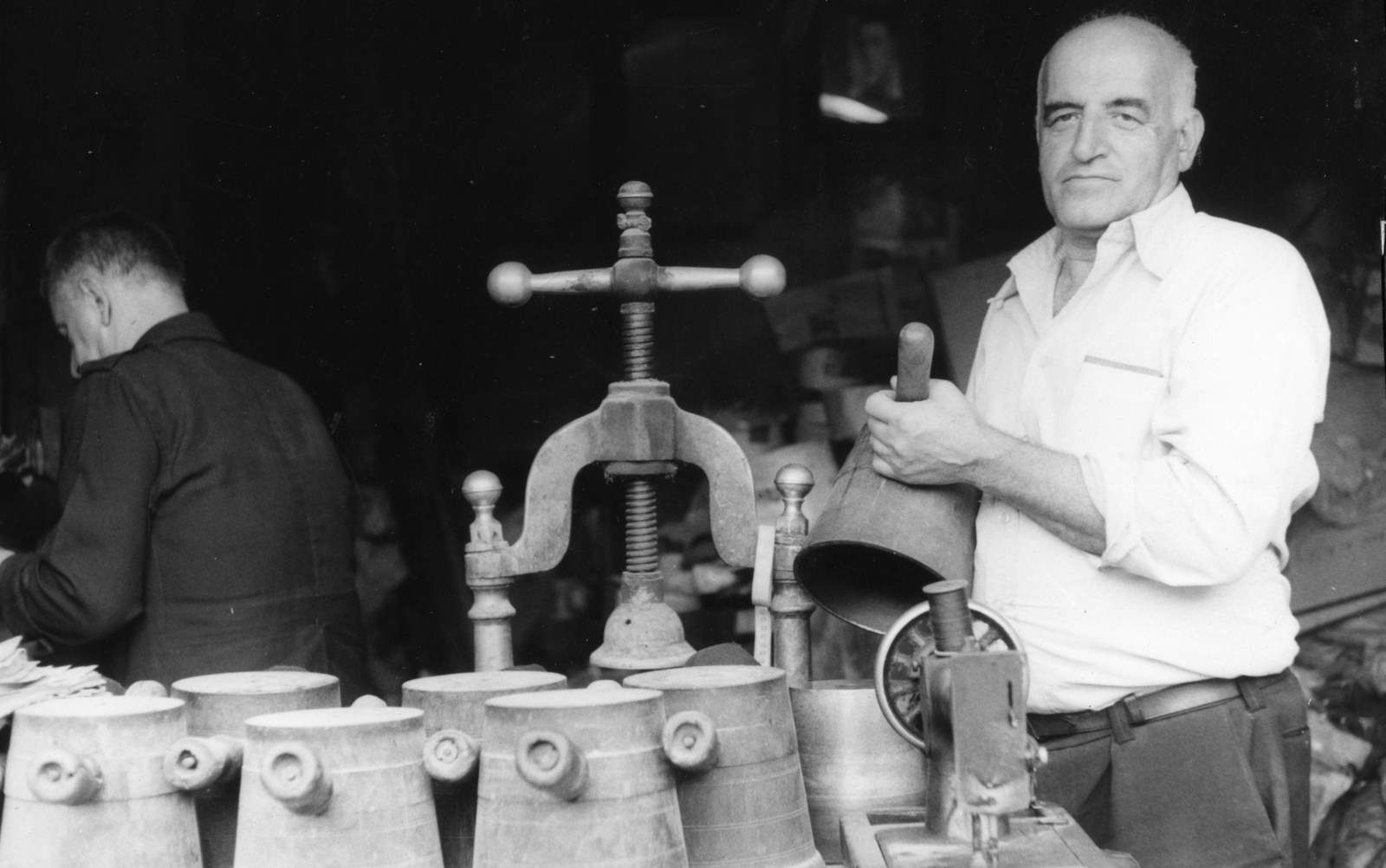
    Du haut des marches, quelqu’un cherchait à attirer mon attention. À l’intérieur, deux salles avaient été aménagées pour l’homme que j’étais venu rencontrer : le colonel Suleyman, à l’éclatante veste bleue à carreaux et à la molle poignée de main. Dans un coin, deux adolescents assis sur un canapé (l’un d’eux était le fils du colonel) jouaient avec un téléphone cellulaire Samsung dont ils tiraient de temps à autre une musique exaspérante qui résonnait dans la salle. Le colonel leur jetait alors un regard indulgent. Il fit servir du café, puis nous nous attelâmes à remplir les papiers. Il se fit une joie de m’expliquer que je me trouvais dans sur une base des services de renseignement militaire. Il s’empressa également à m’annoncer qu’il était un chrétien appartenant à l’Église syriaque. Je connaissais bien le cœur de cette ancienne religion qui se trouve en Turquie et je fus frappé du paradoxe : la Syrie était l’ennemie de Washington, essentiellement à cause des coups bas qu’elle avait portés à Israël et à l’Occident et à cause de sa dictature; la Turquie, elle, était l’alliée des Américains, et ce, pour différentes raisons, dont son caractère démocratique et ses liens avec Israël. Pourtant, en Turquie, un chrétien comme le colonel n’aurait jamais pu parvenir à un tel poste d’autorité. En fait, grâce aux efforts déployés par Ankara depuis près d’un siècle pour arriver à la pureté ethnique et religieuse, il ne reste pour ainsi dire plus de syriaques en Turquie. Le colonel chrétien illustra encore mieux le paradoxe : selon lui, c’était à l’idéologie arabe, nationaliste et laïque du Baas qu’il devait sa réussite, alors qu’elle était tant vilipendée par les États-Unis. La Syrie, avec sa mosaïque de groupes ethniques, était selon lui la société du Proche-Orient qui était restée le plus fidèle aux usages d’autrefois dans la région. Il est vrai que la première fois où j’ai vécu à Alep, je passais régulièrement devant la boutique d’un Arménien d’âge moyen qui pressait encore dans ses lourds moules de métal cet antique symbole de l’époque ottomane : le fez rouge et sans bord, orné d’un gland.

    Puisque je me rendais en Irak, pays dirigé par un autre parti Baas et que les États-Unis s’apprêtaient à envahir, je demandai au colonel Suleyman de m’expliquer la différence entre un baasiste syrien et son cousin irakien.

    — Oh, il y a une énorme différence, rétorqua-t-il comme s’il s’agissait de comparer le Nigéria et la Suisse; ils sont de droite, nous sommes de gauche. Nous sommes plus ouverts d’esprit. Et notre chef est Bachar Al-Assad!

    Il me fit remplir d’autres formulaires. Le paradoxe du prénom apparemment masculin de ma mère fit encore une fois nos délices; l’éducation de son fils nous donna du souci. Le colonel prit également le temps de répondre à un appel, se contentant de décrocher, d’écouter, puis de raccrocher. J’attendais poliment d’être relaxé. Le temps s’était arrêté.

    Mes yeux tombèrent sur le téléviseur posé sur un meuble ornementé, devant une bibliothèque dépourvue de livres. La télévision syrienne diffusait en direct depuis le parlement où Bachar s’adressait aux députés et à la population. Nous le vîmes se lancer dans la série de commentaires spontanés caractéristiques du style « proche du peuple » qui lui donnaient l’allure d’un patriote radical, ou potentiellement d’un populiste.

    Normalement, les affiches syriennes montrent cet ophtalmologiste formé en Angleterre dans la pose d’un Hamlet considérant l’état du monde d’un regard attristé, courroucé par les injustices et, peut-être (et seulement peut-être) fourbissant ses armes. Le colonel avait plutôt opté pour un portrait inhabituel de Bachar dans la pose d’un cruel tyran : complet noir, lunettes sombres et visage de marbre. Ailleurs, ceux qui n’étaient pas convaincus par l’ambigüité du président oscillant entre être et ne pas être, lui joignaient un portrait de son père, Hafez, qui, bien que mort, n’en affichait pas moins un air dur et résolu. Ou encore un portrait militaire du dauphin présumé de Hafez, Bassel, mort lui aussi, mais décédé bien avant son père, dans un accident de voiture alors qu’il roulait à tombeau ouvert afin de prendre l’avion. Grâce à ce sinistre triumvirat formé du père de la Syrie, du fils et de l’esprit, le régime cherchait à donner l’illusion que le pays était mené par les durs à cuire de cette région du monde. Il s’agissait ainsi de mettre en garde quiconque aurait l’idée de comploter contre la tribu Al-Assad ou contre son pays. Suleyman montra l’écran du doigt : « Regardez le docteur Bachar, fit-il avec admiration. Il parle sans même un discours écrit d’avance. On voit qu’il est intelligent. »

    Je songeai que Bachar était lui aussi un prisonnier, un peu comme tout le monde en Syrie, mais me tins coi. Les Syriens, y compris le colonel qui me congédiait gaiement d’un geste, voulaient encore croire que le passage d’un Assad à un autre signifiait que les choses allaient s’améliorer dans leur vie politique si mise à mal. Mais il était indéniable qu’il faudrait du temps.

  • Buy from Amazon.com

    Syria was the first country in the Middle East I got to know well more than three decades ago. I loved much about it. But my experiences – retold in the first chapter of Dining with al-Qaeda – seem fully part of the continuum being acted out today.

    For instance, on my first visit in March-April 1980, I was trapped in the northern city of Aleppo when Syrian troops ringed the town and started searching for regime opponents quarter by quarter, house by house. For three days gunfire echoed through the night and in the mornings truckloads of frightened citizens, sometimes still wearing their pyjamas, could be seen crowded helplessly in open trucks on their way to impromptu interrogation and torture centres in half-finished buildings on the outskirts of town (Dining with al-Qaeda, pp 1-10).

    Then followed the Assad crushing of the Hama in 1982 with some 10,000 dead; Lebanon’s problems from the Syrian occupation of part of that country; and finally the controversy over Syrian links to the assassination of Lebanese Prime Minister Rafiq Hariri. Given the impunity Syria mostly enjoyed, I’m not surprised that the Assad family thinks it hasn’t used up its nine lives yet, even if I remain amazed at how Syria has for so long seemed to live all its many lives simultaneously.

    The way time stands chaotically still in Syrian matters reminds me of the early 2000s, when I was a reporter who kept trying to find a story that would illustrate the idea (then thought possible) that Syria might be turning the corner towards a more open, pluralistic society. One possible subject for the story was Ali Farzat, a notable caricaturist in Damascus. The story didn’t work out – nothing much was going forwards in Syria. But ten years later, I was shocked see that this same turbulent stasis had sucked in Farzat, when thugs beat him for perceived disrespect for President Bashar al-Assad. Luckily he mostly recovered, as CNN tells here.

    Syrian caricaturist Ali Farzat tells CNN attackers beat him for 45 minutes "so that you don’t challenge your masters … Bashar’s foot is on your head … one said, ‘beat his hand so that he can’t draw’"

    Here’s how the Syrian world of Ali Farzat appeared to me – by turns tragi-comic, brutal and charming – in some excerpts from Dining with al-Qaeda’s Chapter 13: REGAL REPUBLIC, DEMOCRATIC KINGS: Syria, Jordan and the dimensions of dictatorship. (pp 202-210).

    I was back in Syria a year later, in 2001, keen to update Journal readers on the fate of the Damascus Spring. Dr. Bashar had closed a notorious desert jail and released six hundred political prisoners. He had allowed a first private school to open. Parliament had passed new laws to introduce private banks and to protect banking secrecy. Steps were being taken to liberalize the currency and customs regulations that had choked Syrian business for so long. Satellite television dishes spread thickly across the Damascus skyline.

    One symbol of this era was a caricature-filled weekly magazine called al-Dumari, the Lamplighter. When it appeared in 2001, it outsold the entire print run of the three turgid state-run daily newspapers in an hour. Syrians had seen nothing like it since thirty-eight years before, when private newspapers were banned.

    “Aren’t you scared to be stocking this?” I asked at a newsstand, looking over my shoulder.

    “There’s no fear anymore. We want to see criticism, something good at last,” the newspaper seller said. “I ordered one hundred copies this week, but I’ve asked for five hundred for next week!”

    Ali Farzat, 2001

    Even though the colorful Lamplighter’s satire was light, and mainly directed against obvious corruption, the idea of a publication entirely outside state control seemed unbelievable. I tracked down the magazine’s offices to a well-off middle-class neighborhood. The owner, publisher, and chief editor, Ali Farzat, had a full beard, neatly pressed jeans, and a taste for big Cuban cigars.

    Farzat said he’d been encouraged to found the weekly by Dr. Bashar seven years before, but even though Dr. Bashar was then the president’s son and had now been president for a year, the press laws had only just changed.

    “I rang up Dr. Bashar after the first edition hit the streets. He was very happy,” Farzat said. “He loves this kind of thing.”

    “But Syria is still ruled by fear!” I insisted.

    Farzat hunkered down in his chair with his head under his arms as if protecting himself from being beaten, then laughed.

    “There is a new period that has started. Bashar loves initiative, he respects it. He loves arts and sciences. He is young. He has a map in his head and he’s implementing it step by step. Reform is something that imposes itself, like the need for oxygen.”

    Three months after Dr. Bashar took power in June 2000, ninety-nine opinion leaders wrote to him asking for more civil liberties. The following January, one thousand politicians and reformists went farther and demanded an end to four decades of martial law during which they said “society was desecrated, its wealth plundered, and its destiny commandeered by tyrants and corrupt people.” It seemed like something was on the move in Syria. But the more I looked into what had re- ally changed, the less I found.

    The state nipped in the bud a movement of left-leaning intellectual home discussion groups. Dr. Bashar, who had given a green light for these National Dialogue Forums, now suddenly criticized them as “futile intellectual exercises,” telling an Arab newspaper that Syrians should “avoid the possibility that the process of advancement is exploited by seekers of leadership. It is more important for development to be stable and effective than to be rapid.” When a society lady was caught distributing by e-mail a caricature of the Syrian leader in unseemly union with the president of Lebanon, she was detained. In the first issue of Lamplighter, Farzat suggested that there might be a cabinet reshuffle, which, in Syria, is discreet code for getting rid of corrupt old guard ministers. In private, Farzat told me these people were “profiting from the state of fear, like thieves after an earthquake.” Still, his next issue’s front page was more careful: an article on coeducation in a distant province on the Euphrates River.

    “Does that count as self-censorship?” I asked.

    On the cover of the latest issue in front of us was his drawing of a man walking down a darkened street, looking nervously over his shoulder and worriedly realizing that the armed secret service agent on his tail was his own shadow.

    “None of our stories have been stopped. But there are conditions for the newspaper. There can be no opposition to the army, no personal attacks. Like everywhere, there are red lines, like state secrets,” he said.

    Just then, a Lebanese man in uniform with a thick black beard put his head around the door. I registered that he had a pistol tucked into his belt. He kissed Farzat on both cheeks and they chatted like old friends until it turned out he was looking for someone next door.

    “Who was that?” I asked.

    “No idea!” Farzat laughed. “But this is exactly the kind of thing the magazine is about. What we are representing is the street, the Syrian street. We criticize things about the traditions of our society. Like when you get a guest who stays for three days and you don’t ask why, and you don’t know why. You can’t spend your time that way. The oppression we suffer is within our society itself, not the government.”

    Farzat was constantly being oppressed by the telephone—as in many Syrian offices, there was no secretary—as was his brother, who was on the line to the state printing house. Although everything had been paid up front, the printers had stopped the presses. He wheedled and negotiated. A big tip was promised. The presses started rolling again.

    Another guest was one of his young contributors who had traveled for hours by bus just to pick up a pay packet of $15. The man would talk to me only while out- side and on the move. So we strolled through a jasmine-scented district whose confident curved houses dated back to the first flush of Syria’s 1944 independence from France.

    “Syria is waking up culturally. But we are still frightened,” the contributor said, looking around to see if his shadow was a policeman. “For intellectuals, the Lamp-lighter is as light as a soap bubble. It’s a symbol of how the government is talking a lot but doing nothing.”

    For sure, the censors at the Ministry of Information didn’t feel much of a threat. Their office was on a high floor of an aging office block known as the Palace of the Baath. Work on a new façade had been proceeding for years, and renovations were in fitful progress inside. Wires dangled loose in the corridors and the false ceiling was missing slats. Metal filing cabinet doors hung open. Stacks of dusty files on top of cupboards were tied together with string.

    “Some tea?” one censor asked me from behind one of half a dozen desks piled high with papers and magazines.

    Everyone in the room had studied somewhere in the former Soviet bloc, and all welcomed a chance to chat and communicate their convictions about the Zionist-Israeli-American plot to hold Syria back. The families of two of them lost homes in the Six-Day War when Israel captured the Golan Heights, a significant chunk of Syria that Israel still occupies southwest of Damascus. One had taken part in the latest demonstration outside the U.S. embassy.

    “The only problem was that we couldn’t find any stones to throw!” he said, but confided, “I hope the Lamplighter strengthens into something special. But right now, it looks a bit weak.”

    The censors knew that the magazine, just like Syrian business franchises, was not exercising any right. Farzat had merely won an individual and temporary favor granted by their ruler. Everyone seemed to know his or her place. Syria’s few legal political parties, locked in a “front” with the Baath Party for decades, had been allowed to start publishing their newspapers too. But they seemed to be fighting the same battles as before they were all closed down in 1963. An editorial in the new organ of the Communist Party was a didactic exposé of class war under the Rip Van Winkle–esqe motto “Workers of the World Unite.” Even more amazing was the reappearance of the Unionist—a relic of Syria’s short-lived political union with Egypt in the early 1960s—featuring a front-page news photograph of legendary Egyptian leader Jamal Abd al-Nasser. He died in 1970.

    No wonder they gave censors little trouble. Real opponents fared much worse, men like Riad Seif, Syria’s most outspoken opposition politician. That spring of 2001, we could still meet in his modern office. He was bright eyed then, a maverick who had just dared to challenge the Assad family’s control of lucrative cell phone licenses.

    “It’s dangerous. They bankrupted me!” he said. “Who’s they?” “The Baathists! There’s no competition, no vitality, no ideology with which to defend themselves. The Baathists in the 1950s were all idealists. Now they are opportunists. Their brains have calcified. They believe their own lies.”

    “Like what?”

    “There’s been a drought for two years, farmers cannot pay back their loans, there are no jobs in the provinces, and unemployment is a huge problem. Against all that, the Lamplighter is just an aspirin,” Seif told me. “There is still no basis for fighting the roots of corruption, there are no popular organizations, no real unions, no opposition parties, no separation of powers, no free press.”

    “What’s happened to you for speaking like this?”

    “They put the knife on the neck and leave it there. My supporters are very silent people. Nobody likes to take a risk. Some friends don’t phone me anymore. I became isolated. It doesn’t mean I’m not supported. The intellectuals are determined to go on. These months of breathing some freedoms, expressing ourselves by getting rid of some taboos—we enjoyed it. It’s difficult to go back to being humble. It’s not 1980. There’s the Internet, satellite TV stations. The Syrians are just playing at being sheep.”

    But Seif was wrong that the Syrians would rise up in any significant way. Perhaps they were wise to act cautiously, given the country’s forty-year absence of political experience. The subsequent example of Iraq showed the danger of knocking out a dictatorship when a population had no idea how to exercise freedom. In any event, it was clear that the Syrian regime had no intention of anything more than minimal change. Bill Spindle and I discussed my week’s reporting and decided that there was too little change to justify publishing anything in the Journal.

    Ummayad mosque from the Souq al-Hamidiyyeh

    Back in Syria in the spring of 2002, two years after Dr. Bashar’s takeover, Damascus felt better. Shops seemed fuller of imported goods, restaurants were more brightly lit, people were better informed, and even the ancient columns and street of the main Souk al-Hamidiyeh were undergoing a sensitive restoration. Government officials insisted that if everyone would only be patient, change was now really on its way. In his State of the Union address in January 2002, President Bush had categorized Syria as part of an “axis of evil.” I felt this was wrong. I went back to Ali Farzat’s office to see whether his magazine’s slow struggle might now epitomize a possible reawakening in Syria.

    When I sat down with Farzat, however, he waved a piece of paper in front of me. It informed him that the government had decided that the Lamplighter could sell no more then 14,420 copies. And all had to go through the government distribution system.

    “To cover our expenses I have to sell thirty-five thousand copies! There should be rules to allow us to work as a private press. They issued this with no warning, no discussion. They just say: We have to distribute it. And they want to take a forty percent cut. It’s as if we, the private sector, are producing for the state. Then they have ordered all ads to go through the government’s Arab Advertising Organization, which takes a twenty-seven percent cut. They do absolutely nothing, and the state gives me no advertising at all!”

    “Can’t you complain? What about Dr. Bashar?”

    “Even the minister of information refuses to see me or to talk on the phone.”

    “I know how that feels.”

    “What can I tell you? Our research affects people, hits those responsible. People who fear their interests will be damaged find ways to fight innovation. We need to find a new way to push our civilization forward. The newspaper isn’t a success just for us, but for the country itself. It is a symbol of development. It should have gone farther.”

    I continued on my rounds, reluctant to give up. I learned that six months before, Riad Seif, the brave opposition politician, had organized a meeting of a few hundred democracy activists. He was thrown into jail, where he would remain for more than four years. An American diplomat told me the regime was no longer about the Big Man, but the Big Lie: Outwardly the most stable place in the world, inwardly scrambling to save itself every day.

    Of course, like all the oil-fueled dictatorships of the Middle East, one reason for the lack of change was that oil supplied 70 percent of Syria’s export income. The situation was similar in Iran: As long as the regime had enough money to bankroll its support base, it could survive. Leaders tolerated corruption because, in the absence of popular legitimacy, corrupt ministers could be relied on to be loyal. As in the Soviet Union, which had a similar resource-based source of funds for the regime, dissidents could be tolerated as long as they mounted no direct challenge. On the other hand, a country like Turkey, with few natural resources, is forced to be more pluralistic, open, and democratic, since it has to borrow money every week from domestic and international markets.

    Haitham Maleh, 2002

    I paid a call on Haitham Maleh, an elderly lawyer who still insisted on holding the regime to account from an old colonial-era apartment building in the heart of Damascus. It was a feature of Syria’s dictatorship that few young people bothered fighting for human rights. In the absence of domestic publicity, Maleh pursued his cause meeting with diplomats and Arab and international correspondents. He sent Dr. Bashar letters pointing out the contradictions between Syria’s constitution and its emergency laws. He waved a copy of a secret ordinance showing that civil servants could be brought to account only if their superiors permitted it. Sitting under a piece of elaborate embroidery he had done in jail, Maleh laughed at the idea that the United States would ever really help someone like him promote democracy in Syria or elsewhere in the Middle East.

    “All our Arab dictators are made in the USA. It’s because the U.S. just wants one person to talk to, to get their business done. Here they’ve made us a very strong, fascist dictator. What can we do about it?” he asked.

    Indeed, in the months after September 11, the rhetoric from the United States toward Syria had grown threatening once again. I passed by a shop that sold elaborately woven Damascus fabrics, which I used to visit often as a student, and from which I bought the sparkling turquoise silk that my wife used to make her wedding gown. I remembered in 1980 how the bolts of cloth formed a rippling wall of golds, silvers, and scarlets. Now just a few rolls remained, and the Kurdish owner complained that his business was nearly dead. Tour agencies minimized their stays in difficult, corrupt Syria and the tourists no longer had time to shop.

    By 2009, the opposition gadfly Riad Seif was still not being allowed out of the country to have his prostate cancer treated. Instead, he was sent back to jail. The 1963 state of emergency was still in force and hundreds of political prisoners remained confined, including many who came to prominence in the stillborn Damascus Spring. The three years of difficulties of the Lamplighter, which collapsed under all the pressure in 2003, might have made a story in another newspaper. But the Journal did not think that Americans wanted to dwell on failure as usual. The editors preferred upbeat narratives.

    “Let’s just drop the Syria story, Hugh. It’s not happening. It’s not your fault,” Bill Spindle said after we’d talked through another wasted week of interviews. “Syria hasn’t changed, so we just won’t write a story about it.”

    In February 2003, three years after the great change that never was, I was once again passing through Syria. I was going to Iraq and had to report to the border base of the mukhabarat, Syrian Intelligence, that apparent oxymoron that wagging tongues savor all over the Middle East. My driver dropped me at the end of a long series of barricades leading to a compound sealed off by high concrete walls. I had no idea which of Syria’s many secret services this actually housed. At the guard hut, I explained my mission to a Syrian plainclothes agent with a Kalashnikov rifle on his shoulder. When I was a student in Damascus, such guards stood outside the houses of the elite, and at night sometimes suspiciously trained the barrel of the gun on me as I walked by.

    “Do you know the way?” he asked me, taking another sip on a brass straw of South American maté, beloved of Syrian minorities like Alawis and Druze. Their communities had picked up the taste after migrations there to escape from past poverty and persecution by the Sunni Muslim majority and now consumed it as a badge of empowerment.

    “Of course not!” I said.

    He gave some peremptory directions and sent me off alone into the intelligence compound. I wandered through overgrown streets of what in French colonial days must have been a delightful row of villas. The buildings were in various stages of collapse, and vegetation was running riot. The nondescript one-story house pointed out to me had the same tumbledown appearance. In front, water overflowed from the bowl of a fountain with dirty green tiles. The outside wings of the villa were falling down and had many missing windows, but toward the center of the building I saw signs of renovation.

    Next to where I stood were three Russian military trucks alongside a white van that had collapsed with a broken axle. I felt that I was visiting the commander of a rebel unit that had just captured some far-flung third-world outpost, not the executive arm of a working government. The idea that such a tumbledown country should ever trouble the strategic vision of the United States seemed absurd.

    Somebody was trying to attract my attention from the top of the steps. Inside, two rooms had been fixed up for the man I had to see, Colonel Suleyman. He sported a loud blue-checked jacket and a very soft handshake. Two teenage boys sat on a sofa to one side, one of them his son, playing annoyingly with a Samsung mobile phone that produced irregular, loud bursts of reverberant music. The colonel looked on indulgently. He called for coffee as we began to go through the paperwork. He happily volunteered that I was in a Military Intelligence base.

    He also made clear that he was a Christian, a Syriac Orthodox. I knew the ancient center of this faith in nearby Turkey well, and I was struck by a paradox. Syria was Washington’s enemy, mainly because of its below-the-belt kicks at Israel and the West, and partly because of its dictatorship. Turkey was America’s friend, for all kinds of reasons including its democracy and its cooperation with Israel. But it struck me suddenly that no Christian, like this man in Syria, would ever be allowed into a position of authority in Turkey. In fact, there were hardly any Syriacs left in the country thanks to Ankara’s century-long drive for ethnoreligious purity. Taking the paradox one step farther, the Christian colonel believed he owed his luck to the secular Arab nationalist ideology of Syria’s ruling Baath Party, the target of so much U.S. criticism. Syria and its surviving ethnic mosaic could seem the society that had remained truest to the old ways of the Middle East. Indeed, when I first lived in Aleppo, I used to pass by the shop of a middle-aged Armenian who still made that symbol of Ottoman times, the red and tasseled fez, a brimless hat pressed in heavy metal molds.

    Fez maker, Aleppo, 1982

    Since I was going to Iraq, which was ruled by another Baath Party and which the United States was about to invade, I asked Colonel Suleyman what the difference was between a Syrian and an Iraqi Baathist.

    “Oh, very different!” he said, as if we were talking about Nigeria and Switzerland. “They’re rightist. We’re leftist. We’re more open-minded. And our leader is Dr. Bashar!’

    We filled in more papers. We savored the paradox of my mother’s apparently male name. We worried about his son’s education. He took time off for a phone call in which he only picked up the receiver, listened, and replaced it. I waited deferentially to be released from my penance. Time stood still.

    My eyes drifted back to the television on the ornamental display case in front of a bookshelf with no books in it. Syrian state TV had gone live to parliament, where Dr. Bashar was addressing the deputies and the people. We all watched him launch into a series of off-the-cuff remarks, his trademark I’m-one-of-the-people style that seems to show him to be a radical patriot, or potential populist.

    Normally, Syrian posters of the British-trained eye doctor showed him striking the Hamlet-like pose of a man deeply pained by the state of the world, angry at the injustice of it, and possibly, or just as possibly not, gearing up to take revenge. On his wall, Colonel Suleyman preferred an unusual picture of Dr. Bashar in a cruel tyrant pose: black suit, dark glasses, unflinching expression. Elsewhere, people who were unsatisfied by Bashar’s to-be-or-not-to-be ambivalence added a picture of his father Hafez al-Assad, who looked undeniably tough and decisive, even if dead, or a militaristic pose struck by Hafez’s first heir apparent, his son Basil, also dead, killed long before in a car accident while speeding to the airport to catch a plane. With this spooky triumvirate, Syria’s father, son, and holy ghost, the regime wanted to maintain the illusion of being led by the toughest thugs on the block, a warning to any who might plot to take on their tribe or their country.

    “Look at Dr. Bashar,” said Colonel Suleyman, admiringly pointing at the TV. “He’s speaking without a written speech. That shows he’s really got brains.”

    I thought that Dr. Bashar was a prisoner, a bit like everyone in Syria, but politely said nothing. The Syrians, even Colonel Suleyman as he cheerily waved me off, still wanted to believe that the change from the old Assad to the new Assad meant that something better was on the way in their politically blighted lives. But it was surely going to take a terribly long time.

    P.S. The maté straw plays an enigmatic role here in this spoof video example of black, deadpan Syrian humor, mocking the failure of Arab monitors to spot the tanks whose shelling was part of the awful violence in Homs. When activists hacked into Dr. Bashar’s email account, they found that the Syrian president had forwarded the skit to an aide.

  • Click to see on Amazon

    I love history books that cast light on the modern turmoil in the former Ottoman Empire and beyond. The trouble is I often get bogged down in the details, and the pile of unfinished, pencil-scored volumes has long been steadily rising by my bedside.

    Not so with historian Sean McMeekin’s new book The Russian Origins of the First World War (Belknap/Harvard, 2011). I raced through its 323 pages and put it down thoroughly satisfied that my understanding had been much broadened with new explanations of how Turkey and its Middle Eastern neighbours got into the mess that they remain in today. The book also challenged many of the myths I have long believed about a conflict that cut a traumatizing swathe through my own extended family on the Western front of the war.

    Myth #1. “The Germans started the First World War”. I didn’t even know there was a debate about this. But McMeekin convinced me that Russian leaders wanted the war more than their counterparts in Berlin, London, Vienna and possibly even Paris. The French seem to have been just as much to blame, but the skill of their statecraft in allying with Russia turned out to be a pyrrhic victory for their country as Russia’s war aims turned out to be very different to those of France.

    Myth #2. “The First World War was mostly triggered by competing ambitions in the Balkans”. This all came to a head in Sarajevo with the assassination of Crown Prince Ferdinand of (Germany-aligned) Austro-Hungary by a (Russia-aligned) Serbian conspirator. Balkan frictions did exist, of course. But McMeekin shows that the war was much more about competition for the best parts of the collapsing Ottoman Empire, and in particular the Russian war aim of conquering Constantinople (Tsargrad, in Russian). While Britain and France no longer took the Ottoman Empire seriously, “for Russia”, McMeekin says, “the war of 1914 was always, ultimately, about Turkey”. (Indeed, Stalin’s same aim of controlling Russia’s main warm-water trade route through the Turkish straits was behind Turkey’s decision to throw its lot in with the West during the Cold War. It probably is also why Russia today shows no sign of putting at risk its one port asset in the Mediterranean, Tartous in Syria).

    Myth #3. The “Armenian genocide”. It’s not often one sees the Armenian genocide put in inverted commas these days, especially in a respectable book. I nearly fell off my chair recently when  a former chief of the Turkish foreign ministry calmly told his fellow dinner guests that he now used the word “genocide” on Turkish TV shows. But McMeekin deploys plenty of new evidence that – despite the Ottoman excesses against Armenian civilians, especially in 1915, which he condemns as wholeheartedly as anyone – the Armenian nationalist movement was indeed a willing fifth column for Russian war aims and that the Russian command was even embarrassed by the Armenians’ willingness to massacre Muslims. The tragedy for the Armenians was that the Russians promised much more than they were able or willing to deliver, were cynical about others’ casualties, attacked where they thought resistance would be least, were mostly late for battle, or simply didn’t show up for the campaign at all. Thus when the Russians finally conquered eastern Anatolia in 1916, there were few Armenians left to be rescued. “The Armenian revolutionary movement received most of its arms from Russia and aimed above all to provoke armed intervention from the same”, McMeekin says in a chapter that should become required reading on the Armenian question, “and Russian [officials] sought intentionally to exacerbate ethnic tensions as a prelude to invasion.”

    Myth #4. “The British know what they are doing”. If Britons think it is only in recent years that the British policy elite has been asleep at the wheel, McMeekin’s findings can make them squirm from a much earlier date. Complacent British diplomats were blind-sided by aggressive French-Russian scheming in the run up to the war; the British Mediterranean fleet was unable to capture two German warships before they took refuge in Istanbul at the war’s start, a strategic game-changer; and the British failed to prepare militarily for a successful Gallipoli campaign in a way that was matched by the topsy-turvy politics of the enterprise. Britain and France attacked Gallipoli to help their Russian allies, but the Russians never turned up to do their share of the fighting. The Entente also explicitly promised that Russia would be handed the prize of Constantinople afterwards, even though, as McMeekin points out, the idea of Russian control of the Turkish straits “had been a full-on British casus belli as recently as thirty-six years [before, in the Crimean War].”

    Prof. Sean McMeekin, Bilkent University

    All this iconoclasm is lively and well-written. McMeekin cites diaries, long-secret documents, memoirs and letters to make the reader feel like an intimate from Choristers’ Bridge (St Petersburg) to the Ballplatz (Vienna) to Whitehall (London). The portrait that emerges of Russian Foreign Minister Sergei Sazonov is particularly compelling, showing how misleading it can be to believe what people say about their own role in history – in Sazonov’s case, in his post-war memoir, which sought to airbrush out Russia’s warlike intentions.

    I liked the polemical, clearly argued tenor of McMeekin’s prose, even if the language did sometimes border on the patronizing and Russophobic. St Petersburg’s policy is said to be “grasping” and characterized by “guile and procrastination”, while Russian suffering is dismissed because “Russians are inured to the cold”. Caustic critique is reserved for almost every actor in this drama. There are slippery Ottoman ministers (who were probably quite right to be evasive, since the Russians had spies even in their Cabinet meetings), rival historians who pay insufficient or no attention to Russian sources, and uncounted British leaders and officials who, McMeekin believes, acted as unwitting “ventriloquists” for Russian policy.

    One thing that this up-and-coming, Ankara-based historian keeps returning to is that everyone should be very wary of the stated war aims of great states, whether it is supposedly “Slavic honor and the Serbs” (aired by the Russians in 1914) or “to reconstitute the internationally recognized boundaries of Kuwait” (used by the U.S. in 1991). Behind the fig leaves of such language, McMeekin clearly believes everyone should check for “cold, hard national interest”.

    The world has waited a century for someone like McMeekin to demonstrate scientifically the centrality of the Turkish Straits question as it propelled Russia into the First World War — although McMeekin notes that the Bolsheviks, “mad political savants” that they were, did keep drawing rhetorical attention to this imperialist fact. I hope we will not have to wait so long to learn the real reasons why the U.S. invaded Iraq in 2002, or the hard interests propelling the zig-zags in Washington’s current Iran policy. The U.S. is clearly still in a strong position against the main autocratic powers of our days — China and Russia, again – and no new great war seems to be looming (fingers crossed). Nevertheless, some parallels can be drawn between the U.S. today and the struggles back then of liberal, democratic, public opinion-respecting Britain, which lost its global pre-eminence in the First World War. As McMeekin concludes:

    “The bamboozlement of the British by clever Russian diplomats like Sazonov has much relevance for our own age. The cardinal weakness of a democratic power in the international arena is not so much inconsistency as naivete.”

  • Sometimes something can worry you for years, and you don’t quite know what to do about it. Robert Fisk’s writing is one of those things for me. His stories are compellingly fluent, fabulously channel Middle Eastern victimhood, and satisfyingly cast grit in the eye of Western governments’ hypocrisy. And yet against this I always have to set my experience that, in one case that is personally important to me, the swirl of rumours about Fisk’s cavalier treatment of facts seems to be true.

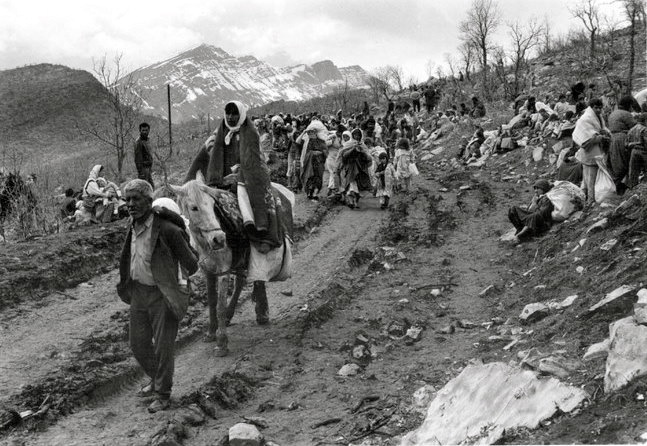
    Iraqi Kurdish refugees fleeing into Turkey, 1991 Photo: Hugh Pope
    Iraqi Kurdish refugees fleeing into Turkey, 1991 Photo: Hugh Pope

    My particular assertion about Robert Fisk’s journalism comes in a chapter of Dining with al-Qaeda devoted to the question of accuracy in Middle Eastern reporting (pages 20-27). It relates to an episode during the 1991 Iraqi Kurd refugee crisis on the mountains of the Turkish-Iraqi border. A piece by Fisk said that Turkish troops were on a “rampage of looting” stealing Iraqi Kurd refugees’ “blankets, sheets and food”. This, according to him, had led to a near-armed clash between Turkish and British troops. Fisk’s report gravely set back Turkish-allied cooperation in the relief effort. Fisk was expelled and I was ordered out too, since I worked for the same newspaper, Britain’s Independent. I was later reprieved, partly because I had nothing to do with the story. I had been back in Istanbul, writing up my own experiences of the refugee camps.

    While putting together Dining with al-Qaeda, I telephoned Fisk’s main named source in those mountains, a British military doctor. To make sure, I also contacted a senior British diplomat in charge in those days, now in retirement. Both flatly denied there was anything near a clash and thought the charges of theft and tensions were sensationalized. Moreover, I noted inconsistencies between Fisk’s accounts in the newspaper and in his memoir (The Great War for Civilization, 2005). For instance, in a major narrative section of his book that is absent from the original article, Fisk meticulously describes a flight to the refugee camp in the crew bay of an Apache helicopter. The trouble is, Apaches have no crew bay.

    I had shrunk from confronting Fisk in person with my findings. Most journalists hate publicly accusing each other of making things up – after all, one might oneself be found to have made a slip in a race to a deadline. A major British journalist told me he’d liked Dining with al-Qaeda, but couldn’t review it because it meant making a choice between Fisk (seven times named Britain’s ‘International Reporter of the Year’ ) and me (last known award: my school’s poetry prize). The Guardian’s Ian Black put it coyly in his review that “Pope bravely tackles the reputation of his onetime Independent colleague Robert Fisk … he is not the first journalist to wonder with envy and irritation how Fisk ‘managed to get an amazing sounding story from a dull day …’”. As leading Egyptian blogger Issandr El Amrani said in a review: “Fisk’s over-active imagination makes it easy for Pope to find holes in his reporting … If you hang around journalists with several decades of Middle East experience, particularly ones who were in Beirut in the 1980s, you keep hearing these stories again and again about Fisk. It’s a great, great shame that this otherwise powerful writer keeps on doing that.”

    So it was that, when watching Fisk interviewed at length on Turkish NTV on 17 November 2011 (here), I averted my eyes towards the end when I heard journalist Barçin Yınanç pose a question that focused on my name. She said that “even though [Hugh Pope] praises your journalism”, I had written in a book that his report on that long-ago incident was exaggerated and “not based on data”.

    After a dramatic pause in which presenter Oğuz Haksever apologized about not wanting a polemic, ear pieces were fiddled with and translations made, Fisk said the following:

    Look, I don’t read Hugh Pope. Sorry. In the incident in question, I was in an aircraft, helicopter, full of CIA men, who had to go and intervene to prevent British and Turkish troops fighting each other. They were either side of a small stream with their rifles pointed at each other in front of my eyes. This wasn’t data. I was an eyewitness. The Americans had to go into the stream and stop them shooting at each other, because the British were trying to stop this small group of Turkish soldiers taking blankets and food from refugees … Hugh Pope’s got it wrong, as with other things during the past. I don’t have any feelings about Hugh Pope. I was an eyewitness to what happened. Sorry. I was there. He was not.

    Oğuz Haksever swiftly moved the program on. The interview, mainly about the 936-page Turkish version of Fisk’s memoir, certainly had its moments. Fisk (correctly) predicted that “Bashar is going to last a lot longer in Syria than you seem to think he is … the Baath Party has a huge historical grip on Syria”; he warned Ankara to resist pressure from the U.S. and “La Clinton” to intervene against Damascus; said the words “Armenian Genocide” so often that the flustered Turkish translator gave up adding the word “alleged”; talked of the need for reporters to “be on the side of those who suffer” and “to monitor the centers of power, especially when they go to war, especially when they lie to do it”; confided that when reporting about the Kurds he wrote “with a very strong sense of cynicism … I mean irony, we need to have a certain black humour about this”; and finally dismissed Tony Blair as “the most meretricious, repulsive politician that we have in Britain, the most terrible prime minister we’ve ever had in British history”, who “seems to have a special relationship with God”, who “is a weird product of absolute self-conviction”, and who had written “an extremely self-congratulatory book.”

    I was however only half-listening to the rest of the interview. Fisk had vowed three times that he had been “there”, an “eyewitness” to that 1991 incident, as he tells the story in his memoir. But he hadn’t explained why his original story (“Troops steal food and blankets from refugees”, Independent, Tuesday 30 April 1991) firmly sets the reported confrontation over the stream on Sunday night the 28th of April, while stating that he had arrived “yesterday”, which in the Independent‘s style means Monday the 29th, that is, one day after whatever happened was over. Furthermore, Fisk’s original story cites soldiers talking of past incidents, but makes no claim of seeing anything of a confrontation himself.

    Whatever the British-Turkish tensions in the camp, Fisk has not convinced me that people are wrong to say that he over-played the situation. A question about his factual veracity about the incident has at last been put to him in public. I feel a sense of inner peace. The frustration that has nagged at me for 20 years has gone away.

    A POSTSCRIPT (March 2012)

    Britain’s satirical weekly Private Eye No. 1310 in March 2012 had the following take on the matter (apparently in part citing the above blog, so apologies for any repetition):

    FISK ANALYSIS

    MEMBERS of the Vulture Club, a closed Facebook group for foreign correspondents and aid workers, are circling the carcass of Robert Fisk, the Independent’s man in the Middle East, for his holier-than-thou rant against fellow war reporters following the Syrian Army’s murder of Marie Colvin and Remi Ochlik.

    Condemning the “colonialist” assumption that “the lives of western reporters are somehow more precious, more deserving, more inherently valuable than those of the ‘foreign’ civilians who suffer around them”, Fisk accused Colvin’s editors and editors like them of pro-western double standards. “The newsrooms of London and Washington didn’t have quite the same enthusiasm to get their folk into Gaza as they did to get them into Homs,” he concluded. “Just a thought.”

    Glory-hunters and hypocrites

    As a matter of fact, western reporters did get round the Israeli army’s restrictions on journalists during its war with Hamas. Led by Bruno Stevens, a brave Belgian photographer, 30 found a way in over the Egyptian border. Fisk’s innuendo that foreign hacks were glory-hunters for exposing the deaths of Syrians, and hypocrites for ignoring the deaths of Palestinians, has put the war correspondents on the war path.

    On the Vulture Club’s web page, Lulu Garcia-Navarro, foreign correspondent for America’s National Public Radio, describes Fisk’s article as “unconscionable”. Catherine Philp, US correspondent for the Times, says Fisk “makes it up”. Dan Murphy of the Christian Science Monitor tells of Fisk writing a piece attacking the Baghdad press corps for being “hotel journalists” who dared not go onto the streets, while rarely leaving the safety of the hotel pool himself.

    It is not only on closed Facebook groups that Fisk is being pummelled.

    Hugh Pope, a former Independent colleague of Fisk’s, recently published a memoir of his three decades of reporting in the Middle East, Dining with al Qaeda. When they were both covering the Iraqi Kurd refugee crisis in 1991, he writes, Fisk reported that Turkish troops were on a “rampage of looting”, stealing refugees’ “blankets, sheets and food”, and that British forces “cocked their weapons in a confrontation with the Turkish troops”.

    For his book, Pope telephoned Fisk’s main named source, a British military doctor. He also spoke to a senior British diplomat who had run the relief operation in Turkey in 1991. “Both flatly denied there was anything near a clash and thought the charges of theft and tensions were sensationalised.” In a later account of the “clash”, Pope writes, Fisk “meticulously describes a flight to the refugee camp in the crew bay of an Apache helicopter. The trouble is, Apaches have no crew bay.”

    When Pope’s book came out Ian Black, diplomatic editor of the Guardian, drily noted that he was “not the first journalist to wonder with envy and irritation how Fisk ‘managed to get an amazing sounding story from a dull day’”. Meanwhile the leading Egyptian blogger Issandr El Amrani noted that “if you hang around journalists with several decades of Middle East experience, particularly ones who were in Beirut in the 1980s, you keep hearing these stories again and again about Fisk”.

    Indeed you do. “It has been common knowledge for years among British and American reporters that Bob can just make things up or lift others’ work without attribution and embellish it,” writes Jamie Dettmer, another former Middle East correspondent, in his review of Pope’s book. “I recall him doing it to me on a story in Kuwait about the killings of Palestinians at the hands of Kuwaitis following the liberation of the emirate. I remember also the time Fisk filed a datelined Cairo story about a riot there when he was in fact at the time in Cyprus.”

    The full text of U.S./British writer Jamie Dettmer’s 1 April 2010 blog posting (here) goes like this

    BOB FISK OUTED

    Hugh Pope’s memoir on his reporting in the Middle East, Dining with al-Qaeda, is, as they say, a must-read. The former Wall Street Journal and UPI correspondent — he is now at the International Crisis Group — was rated highly by his peers. His pragmatic thinking and rejection of neat ideological ways of looking at things in the region enriched his journalism, which was trustworthy and informative, even for those like me who had stints covering the region.

    But not all his former peers in the Middle East UK press corp will be delighted to read what Pope has to say about journalistic ethics — mainly Bob Fisk, the London Independent‘s longtime  Middle East correspondent. Robert was notorious as a reporter who sailed way over the other side of the wind when it came to facts, attributions and even datelines…

    Why does Fish get away with it? It has been common knowledge for years among British and American reporters that Bob can just make things up or lift other’s work without attribution and embellish it.  I recall him doing it to me on a story in Kuwait about the killings of Palestinians at the hands of Kuwaitis following the liberation of the emirate. I remember also the time Fisk filed a datelined Cairo story about a riot there when he was in fact at the time in Cyprus.

    Pope’s theory on this — why Bob gets away with it — is that fellow members of the press corp don’t like to dish the dirt on their colleagues. “The one time I decided to let it be known that a fellow reporter was cheating and passing off others’ work as his own, it was I who became the odd man out, an informer with a chip on my shoulder, and standing joke,” he writes. He notes also that “editors are reluctant to challenge established writers.”

    In the case of Fisk, I think, there was also a genuine sadness that Bob did this, an embarrassment and one undeserving of a journalist who had done some great and brave reporting in the 1980s in Northern Ireland and in his early and dangerous years in Beirut.

    Damian Thompson

    Robert Fisk’s response to all this can be seen in a 29 March 2012 posting by Damian Thompson, editor of Telegraph Blogs at the London Daily Telegraph. Thompson says (here):

    [Many comments by foreign correspondents upset by Fisk’s suggestion that news rooms were ignoring Gaza in favour of Homs] expand on a remark made in the Guardian by Ian Black, the paper’s diplomatic editor, who was reviewing the memoirs of Hugh Pope, a distinguished Middle East correspondent, which strongly criticise Fisk’s style of reporting … Black was choosing his words carefully (as am I) but read between the lines.

    So I rang Fisk to ask what he made of all these claims … He said: “I do not make stories up, full stop. This is being put together in order to harass me and possibly The Independent.” …

    What about Ian Black’s innuendo? “I’m very surprised that he wrote that. I’m amazed to see that he wrote that review [of Hugh Pope’s book]”.

    But it isn’t just Black: it’s foreign correspondents from various publications who have encountered Fisk over the years. How could he explain their criticisms? “Colleagues will malign you if you’re a moderately successful journalist,” said Fisk.

    Other comments on Robert Fisk’s reporting and its impact have been made by Reggie’s Blog here, Australian journalist Paul McGeough here, and, back in 2007, by veteran Middle East correspondent (and former Independent reporter) Adel Darwish here. Private Eye revisited the story in February 2013 (Eye 1333 here):

    Clip from Private Eye

    Another postscript: In Fabricator and Fraudster, published in The Critic in December 2020, British-Lebanese freelance conflict journalist and film-maker Oz Katerji gives an account of his own and others’ experiences of the late Robert Fisk’s work. His conclusion: “The veneration of Fisk, in his obituaries and throughout his career, serve as an indictment of a British foreign press that continued to indulge a man who they knew was violating not just ethical boundaries, but also moral ones.” Syrian journalist Asser Khatab wrote of his disappointment too in his 30 Oct 2021 obituary Robert Fisk, the Man Who Died Twice: “Fisk spoke of places we did not visit, and facts we did not witness, and his interview with officials, including those in the governorate, was full of long, eloquent and expressive phrases that I have no idea where they had come from.”

  • Informed by his State Department employers that he could either serve in a Middle East war zone or watch his career wilt, Peter Van Buren chose active service helping to rebuild Iraq. His year embedded in Provincial Reconstruction Teams in the notorious Sunni triangle resulted in We Meant Well: how I helped lose the battle for the hearts and minds of the Iraqi people, a delightful, 269-page book that I devoured in 24 hours flat. By turns tough, tender and eye-wateringly funny, it rises far above its principal ingredients of garbage, boredom, heat, camaraderie, hypocrisy and the constant spectacle of wanton waste.

    The mind boggles at the $63 billion US effort Van Buren describes as he and other Americans of good will and otherwise “helped paste together feathers year after year, hoping for a duck”. Arabic translations of American classics are dumped behind schools, bureaucratic programs live and die in fashion cycles of a few months, and short-term photo-opportunities usually beat the occasional focus on long-term problems. And in 2009-2010, Van Buren happened to be there with the cool and independence of mind to note the nonsense down, even as his desert outposts were mortared by insurgents who scorned the “so-called Awakening, a program through which we paid money to Sunni insurgents to stop killing us.”

    Van Buren doffs his hat first to the Vietnam-era Dispatches by Michael Herr and to Joseph Heller’s Catch-22 from the Second World War. There is not the same epic depth to We Meant Well, but van Buren gets close. Chapter after chapter details narcissistic, ill-adapted and commercially impossible American schemes: stillborn facilities supposed to commercialize milk marketing in a country that lacked refrigeration, projects that wish bees on unwilling Iraqi widows and a Potemkin chicken-processing factory that only worked when putting on a show for visitors.

    One triumph of absurdity is Van Buren’s team’s efforts to improve something as basic as water supplies and sewage treatment, until, as usual, the project stumbles over a vital but unbudgeted extra item. After all, how would Japanese and Belgian planners and funders know that an Iraqi sewage plant needs machine-gun nests to stop people stealing everything as soon as it is installed? He continues:

    “The old saying ‘Any road will get you there if you don’t know where you’re going’ seemed to apply. Our efforts, well-meaning but almost always somewhat ignorant, lacked a broader strategy, a way to connect local work with national goals. Some days it felt like the plan was to turn dozens of entities loose with millions of dollars and hope something fell together (monkeys typing might produce Shakespeare) … You don’t know what you don’t measure, leaving much of our work to have all the impact of a cheap direct-to-DVD martial arts movie.”

    Along the way, dissidents like Van Buren were quickly apprised by their peers and superiors of an unspoken rule that they should believe that “you can’t really tell, but we’re winning”. Failing that, they should “stop making a fuss. No one cares about the money, we have lots of money, and not spending it angers people. We all know we are not going to really change much in Iraq, so just do your year in the desert.”

    Much of the US effort was hobbled by America’s wish to believe its own preconceptions, formed by high-minded ideology and a willful disinterest in what mattered on the ground. Van Buren finds that Americans running the war effort aimed to “hide the US role and make it seem like all the projects were local efforts, something we made ourselves believe while no one else did”, had the illusion that “Iraqis want to be like us”, and were unwilling to face the possibility that “some people became insurgents not because they lacked fast-food jobs and iPads but because they hated the presence of a foreign invader in their country.”

    I found this fascinatingly similar to the problems of US journalistic coverage of the Middle East, which in my book Dining with al-Qaeda I try to show can often be an artificial and misleading hybrid between reality and what Americans want to believe. Van Buren watches a visiting reporter fail to see that the U.S.-funded project he has come to inspect is fake, noting dryly that “it turns out most journalists are not as inquisitive as TV and movies would have you believe. Most are interested only in a story, not the story.” The soldiers, of course, are always dutifully upbeat about their duties when speaking to reporters on hand to witness hand-outs to Iraqis. Afterwards, Van Buren reports, the soldiers reveal their real feelings in between spitting chewed Skoal into empty Gatorade bottles: “fuck these people, we give ‘em all this shit and they just fucking try to blow us up.”

    The Iraqis had their reasons to be upset. The 2003 US invasion made several aspects of everyday life worse for Iraqis than when Saddam was in charge – at the same time as the US had taken over many of Saddam’s palaces, secret police outposts and jails. Power supplies remain completely inadequate, although the U.S. found solipsistic ways to pretend they had improved; few kids attend rural schools, and even then only for half the previous amount of time, because in the new Islamic Iraq “boys and girls were not allowed to go to class together as they had been under the mostly secular Saddam regime”. A veterinary doctor points out that “under Saddam we at least got medicines once in a while. Now we are free, but we don’t have medicine.” Or clean water. All this, eight years after the American-ordained era began.

    Most interestingly of all, the book gives a deeply satisfying account of what it is like to live on Forward Operating Bases in the Iraqi desert. Unsentimental passages describe the life and language of soldiers (for instance, when frozen shrimpette served in the canteen makes it appropriate to say “we suck less tonight”); how an occasional random project to help Iraqis actually worked (an aging American lady who helped Iraqis with their cows, and the founding of a boy scout troop); the understated companionship of soldiers when one of their number commits suicide; and how the American bases’ sharia-like bans on sex and alcohol were often violated (a graffiti message in the Sri Lankan-cleaned latrines advertises ‘eight-inch cut dude needs rough sex tonight behind gym’.)

    Peter Van Buren

    Van Buren takes a quietly naïve approach, making his points about the real Iraq through acutely observed detail with a minimum of ideological finger-wagging. But in the acknowledgements, he does drop his guard, a moment of bitterness from a Japanese- and Chinese-speaking foreign service officer who feels profoundly let down by the policy choices of the George W. Bush presidency. In a comment that is, as usual, applicable to matters well beyond those of his professional purview, Van Buren gives in his acknowledgments “not thanks really, but a special notice to Colin Powell and Condoleezza Rice, who led an organization I once cared deeply for into a swamp and abandoned it there.”

  • Fine 30 Sept 2011 New York Times review (here) of what looks like an important book on how President George W. Bush never discussed whether the Iraq war was a good idea, or, indeed, how nobody knows the answer to the question of what the reason for the war was at all!

    Some excerpts from Thomas Power’s take on INTELLIGENCE AND U.S. FOREIGN POLICY:  Iraq, 9/11, and Misguided Reform, by Paul R. Pillar.

    … [The CIA’s] hastily written October 2002 National Intelligence Estimate identifying Iraqi W.M.D. programs with “high confidence.” … was wrong in every finding … nothing … was found on the ground in Iraq… evidence may have been thin and sparse, but that there was evidence … What decided the matter … was the politicization of the whole effort… everybody at the agency, from lowliest analyst up to the director of central intelligence, George Tenet, knowing their careers were on the line, called the coin toss on evidence as desired…

    [Quote from ex-CIA analyst Pillars book] “The pro-war wind that the Bush administration policy makers had generated . . . was strong, unrelenting and inescapable”.

    [Yet] the administration never formally debated “whether the war was a good idea.” The implication is clear: a small group of officials made the decision on their own, without leaving any record. “It was never on any meeting’s agenda,” Pillar notes…

    In Dining with al-Qaeda I write of feeling exactly the same wind that blew the US into Iraq, and it is some consolation to know that I was not alone in lamenting my impotence to stand up to it. I am still looking forward to reading the book that explains the real reason why all those people had to die.

  • Some words of wisdom from a friend deep in U.S. officialdom. I had complained about the superficiality of some American approaches to the Arab revolts in the Mideast (continuing a theme of Dining with al-Qaeda), thus:

    [There is] unjustified hoopla about the dynamics of the Arab spring … and then, when it turns out that it’s all much more complicated than it looked, then it’s uh-oh, Arab winter again, and consign the region back to the dump with weary self-righteous sighs.

    To which my friend replied from Washington, DC:

    “On the simplicity of the Mideast coverage, you are certainly right descriptively.  In my view, though these simplistic narratives aren’t a result of not understanding the dynamics that you mention.  People are, for example, very aware that the all of the emerging “Arab Spring” governments will, at best, be problematic partners for the US.  It is rather an effort to create reality by insisting that it is so—and people will certainly continue to do so until it becomes so dramatically at variance with reality that they exercise a 180 degree and express with equal confidence the exact opposite (i.e. Arab Winter).  There is a general feeling in DC that public expressions of nuance, however accurate, are not useful, demonstrate uncertainty and hesitation, and are doomed to misinterpretation.  I’m not sure if this should make you feel better or worse.  It means there is more understanding than you imagine, but also that education will not cure the problem.”

  • An interview with Vera Marie Badertscher of A Traveler’s Library, one of America’s top 100 travel blogs. A full review of the book on the blog is here.

    Buy from Amazon.com

    After reading Dining with Al Qaeda, I thought that Hugh Pope was one of those writers I would like to sit with over a cup of tea for a lengthy chat. So MUCH to think about in his book.

    Since he’s in Turkey and I’m not, I invited him to answer a few questions by e-mail and he not only did, but suffered a few follow-ups as well.

    Pope has left journalism (but not writing)  to work at the International Crisis Group, a group that studies areas of conflict and possible conflict, writes reports, and suggests solutions. He specializes in Turkey and the surrounding area.

    Pope says that the work of the Crisis Group is intended more for policy makers than for travelers but are frequently used as background by reporters. The reports are free, and, he says, “Our take on situations is known to be (as far as is humanly possible) evidence-based, non-ideological, neutral, comprehensive, and long-lasting, being the product of meticulous field work and including interviews with all sides. Crisis Group hopes that by filling this information gap – backed by energetic advocacy with governments and opinion-makers based on our reports – warring parties will see new ways out of their conflict. It’s amazing how often people in conflict don’t listen to each other and misjudge each other’s intentions.

    As I noted in my review of Dining with Al Qaeda, Pope tried hard to see all sides when he was reporting.

    “Working for International Crisis Group is everything I wanted journalism to be, but never quite was,” he says. “In media reporting, especially from remoter and less important parts of the world, a journalist is under pressure to frame the issue in an attractive and compelling ‘story’ – often a tall order on a short trip. In a Crisis Group report I can say exactly what I think the situation or problem is, without having the need to dramatize the narrative or dress it in a character-led story.” But he adds that his 25 years of experience reporting from 30 countries contributes to his present work.

    Because of his book title, I searched the Internet for his reaction to the death of Osama bin Laden, and came up empty handed. In fact, he told me … (read full interview here)